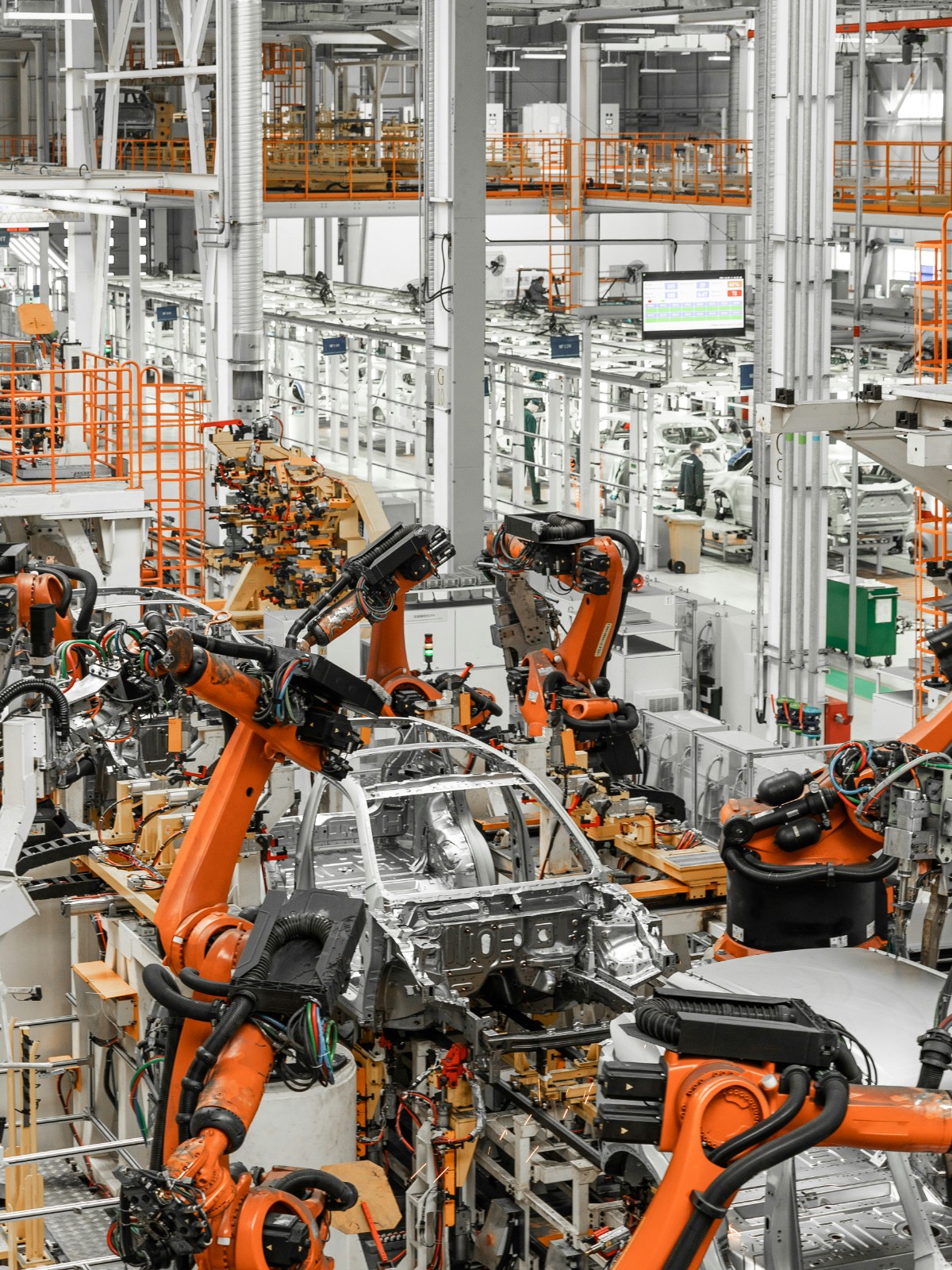
Canada assembles more than a million vehicles a year, but the brands, platforms and investment decisions remain largely beyond its control. American tariffs are forcing the country to reconsider what an automotive industry should actually own.
In late August 2026, General Motors workers ratified an agreement that includes C$144 million to assign another pickup truck to the company's Oshawa complex, where vehicle assembly ended in 2019 before returning two years later. The commitment forms part of more than C$1 billion in planned investments across GM's Canadian operations. The same week, Reuters reported that Toyota and Honda face mounting exposure to American tariffs on their Canadian assembled vehicles, with analysts warning that production cuts or closures had become a credible risk. Neither company has announced plans to shut an Ontario line.
The two stories frame a contradiction sixty years in the making. Canada is a productive, well compensated place to build vehicles. It has never been the place where the decisions governing those vehicles are made.
The Tariff Landscape
Since 2025, the United States has maintained 25 percent Section 232 duties on imported automobiles and light trucks, with an exemption for U.S. content in CUSMA compliant vehicles. On August 22, 2026, 50 percent Section 338 duties took effect on hundreds of Canadian product categories, but these explicitly exclude goods already subject to Section 232. Canadian made automobiles are not subject to the additional 50 percent.
On August 24, Trump announced that auto tariffs on Canada would rise to 50 percent effective January 1, 2027. That measure is announced but not yet in force. Its full effect on parts and U.S. content treatment will depend on the final legal measure. Separately, the U.S. Trade Representative declined to renew CUSMA in its current form at the July 1 joint review; the agreement remains legally binding but now faces annual reviews.
The cumulative effect is layered uncertainty: a 25 percent tariff today, a threatened doubling in four months, and a trade agreement that is politically unstable.
The Scale of Dependence
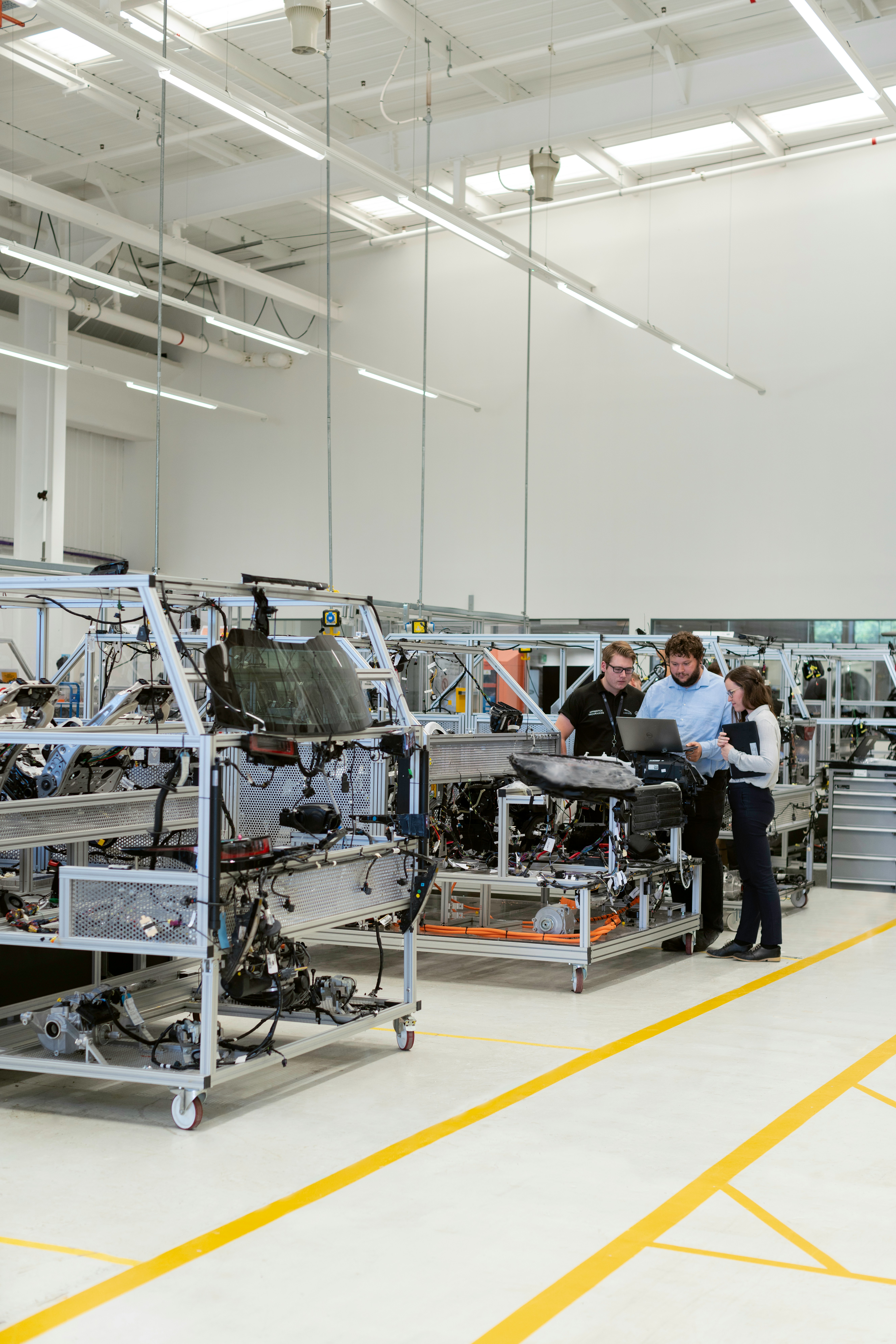
Canada produced approximately 1.3 million light duty vehicles in 2024 and exported roughly 1.1 million of them to the United States. Measured by customs value, more than 93 percent of Canadian motor vehicle exports went to the U.S. Statistics Canada estimates that U.S. demand supported 76.4 percent of output and payroll jobs in automobile and light duty vehicle manufacturing, roughly 27,000 positions. The broader automotive sector, including parts and supply chains, supports approximately 125,000 direct jobs, with 80 percent concentrated in Ontario, and contributed C$16.8 billion to GDP. The 76.4 percent dependence ratio applies specifically to final assembly, not the wider employment base.
Parts and subassemblies cross the border multiple times during production. CUSMA compliant auto parts are currently exempt from the 25 percent automotive tariff, but other sectoral duties can raise input costs, and the exemption's future depends on trade rules that are themselves under pressure.
Canada does not control a mass market automaker, though Canadian companies own valuable automotive capabilities. Magna International is one of the world's largest parts manufacturers. BlackBerry QNX provides the operating system in hundreds of millions of vehicles. Linamar and Martinrea produce precision components sold globally. These companies represent genuine Canadian ownership of important layers of the automotive stack, but they do not control the decisions about where finished vehicles are assembled.
The Bargain That Built the Industry
The 1965 Auto Pact eliminated duties on vehicles and parts between Canada and the United States, on the condition that manufacturers maintain specified ratios of Canadian production to Canadian sales. These company level safeguards gave Canada a contractual floor beneath its share of continental output. Production consolidated around larger, specialized plants. Wages rose. Vehicle prices fell.
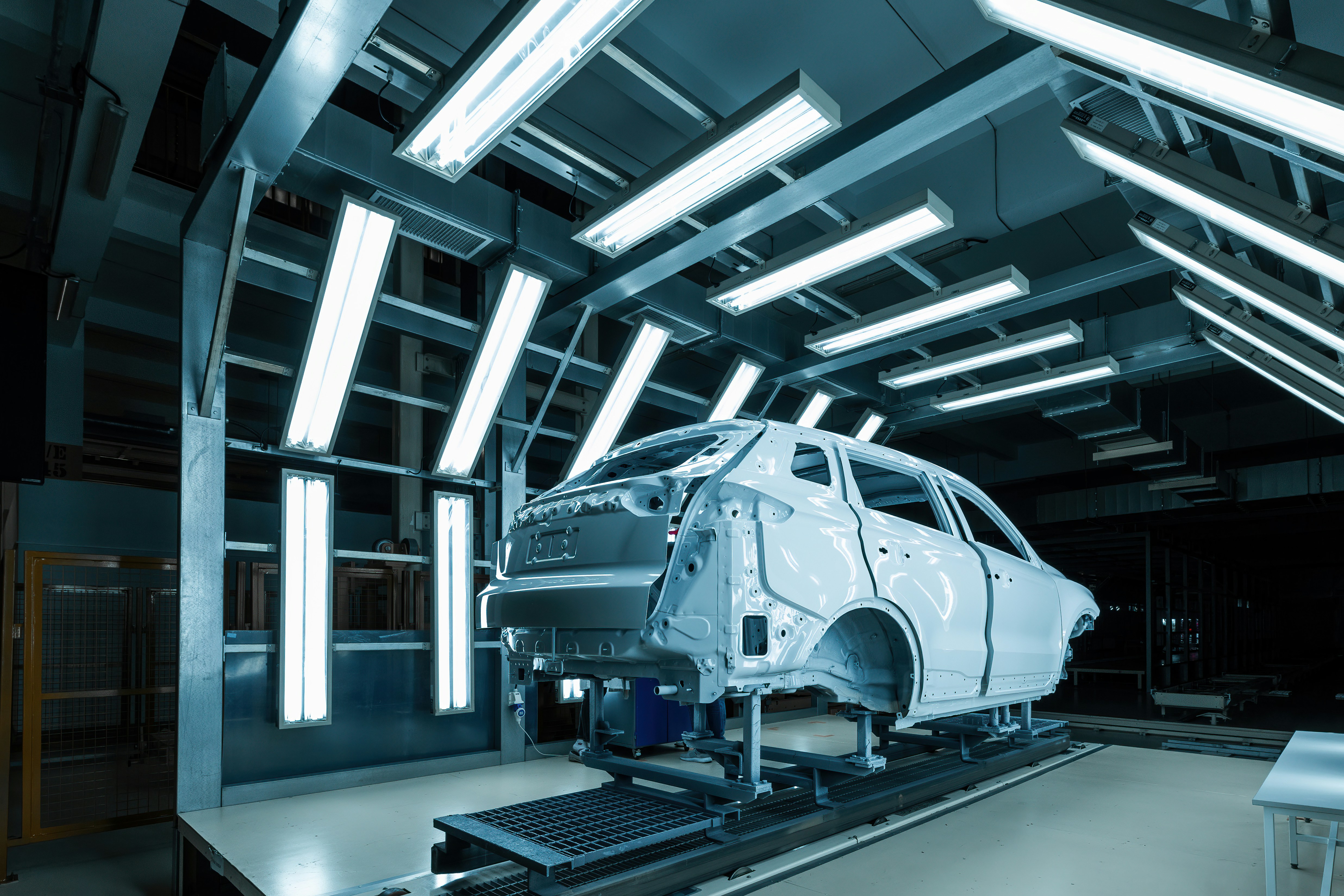
The factories were productive, but they belonged to foreign automakers. The models were assigned from Detroit. The engineering, design and platform decisions that determined whether a plant would thrive or close remained outside Canada.
A WTO ruling found the pact's preferential treatment inconsistent with Canada's trade obligations, and Ottawa removed its production to sales requirements by 2001. Successive free trade agreements, the Canada U.S. Free Trade Agreement in 1989, NAFTA in 1994, CUSMA in 2020, replaced those guarantees with rules of origin formulas applied across three countries. Integration delivered real gains to Canadian workers and communities. But the political framework supporting it was never designed to bear the weight it now carries.
Conditional Leverage
Canada's policy has shifted from general incentives toward conditional market access. The remission framework, introduced in 2025, allows automakers to import U.S. made vehicles without counter tariffs if they maintain Canadian production and investment commitments. When GM and Stellantis fell short, Ottawa cut their import quotas, GM's by 24.2 percent, Stellantis's by 50 percent. The government has since consulted on tradeable production credits rewarding domestic content, capital investment and EV manufacturing.
Whether the framework helped cause GM's Oshawa commitment requires careful attribution; what is observable is the policy shift itself. It also carries risks. The U.S. Section 338 proclamation identified Canada's tariffs and quotas as discriminatory. A system designed to create leverage could provoke further escalation.
What Reinvention Would Require
Since 2020, more than C$40 billion in Canadian EV and battery supply chain investment has been announced. Canada's 2026 automotive strategy committed C$6.9 billion in public support. These are authorizations, not operating capacity, several announced battery projects have been delayed since their original timelines.
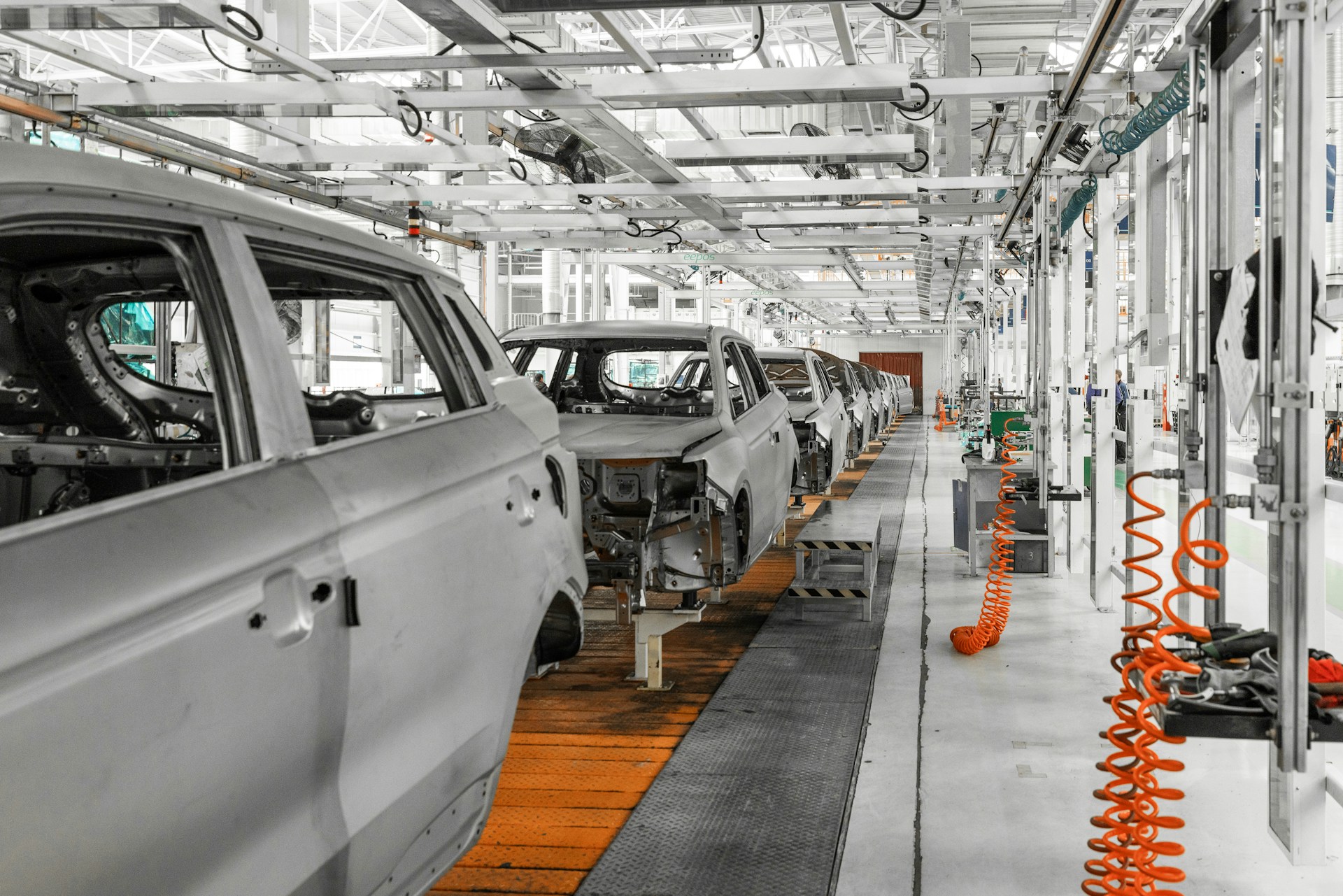
Canada also possesses real industrial ingredients: clean, relatively inexpensive electricity; significant deposits of nickel, cobalt, lithium and graphite; and research institutions with automotive and materials science capabilities. Project Arrow, developed by the Automotive Parts Manufacturers' Association, demonstrated that Canadian suppliers can design and build a zero emission vehicle using Canadian components and technology. It remains a technology platform and prototype, an illustration of capability, not proof that a Canadian mass market car company is commercially viable.
Non U.S. motor vehicle exports grew 14.6 percent in 2025, according to Statistics Canada's customs based trade data, but non U.S. demand accounted for only 2.6 percent of assembly output in 2024. If Canada wanted to replace even half of its U.S. bound exports through other markets, it would need to find buyers for roughly 550,000 vehicles a year in countries where it currently sells a fraction of that volume, competing against manufacturers with lower production costs, including Chinese producers who manufactured nearly 75 percent of the world's battery electric and plug in hybrid cars in 2025, according to the IEA. Finished vehicle diversification is a long term complement to North American integration, not a near term substitute. The more immediately exportable Canadian capabilities are components, battery materials, engineering services and software, products less captive to a single assembly line or destination.
A credible strategy rests on four mechanisms. First, enforceable conditions on public support and market access, production commitments, Canadian content thresholds and investment milestones with transparent benchmarks and consequences for non compliance. Second, deeper Canadian capabilities in the layers of a vehicle growing in value: battery materials, power electronics, connected vehicle software, cybersecurity and manufacturing technology. Third, domestic market development, charging infrastructure, fleet procurement and regulatory conditions that give automakers commercial reasons to launch vehicles in Canada rather than merely assembling them for export. Fourth, selective export diversification built around globally competitive Canadian technologies rather than the implausible near term goal of redirecting finished vehicles to distant markets.
The Decision Canada Faces
The Auto Pact gave Canada a place in the North American production system. It did not give Canada ownership of its automotive future. The trade war has made that distinction impossible to ignore.
The question is whether the next generation of vehicles will merely pass through Canadian factories or whether more of the knowledge, the components and the bargaining power behind them will remain in the country. The GM investment in Oshawa suggests the second outcome is possible. The tariff exposure facing Toyota and Honda suggests it is not assured. The gap between C$40 billion in announced investments and a functioning supply chain suggests it will take years to know.