A growing number of Canadians are drawing a line between personal service and digital prompts. The question now is whether policy can catch up before the backlash reaches the workers who still depend on tips.
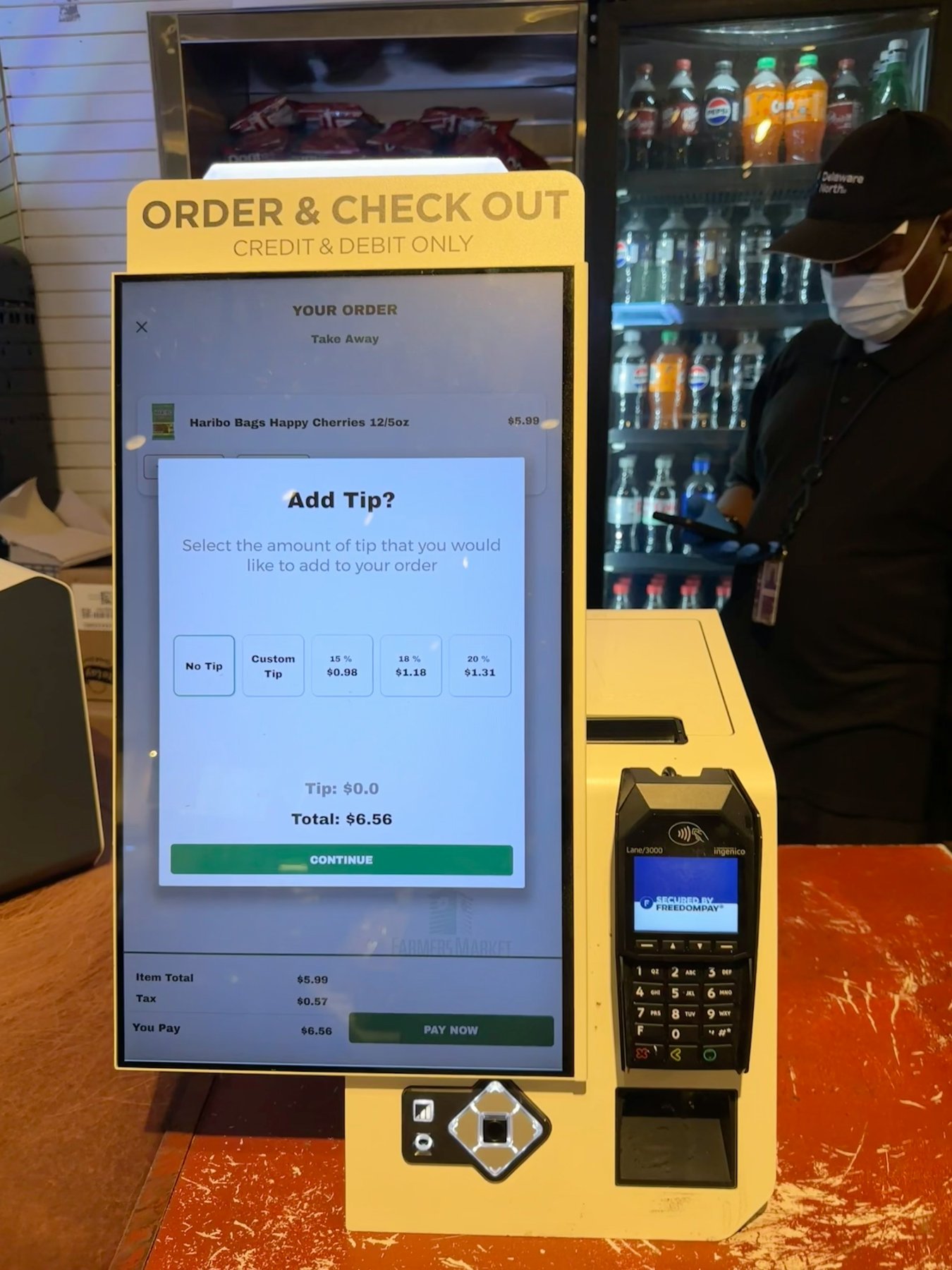
Buy a bottle of water at a convenience store and the terminal asks for 20 per cent. You walked to the cooler, grabbed it yourself and brought it to the counter. The transaction took eight seconds. The tip screen does not care.
Across the country, more Canadians are pressing zero in moments like these. Not out of cheapness, but out of a growing sense that the prompt has lost its connection to service. What they are working out, one transaction at a time, is a distinction the payment industry never made for them: the difference between a person who served you and a machine that processed your card.
Where Canadians Are Drawing the Line
The informal rule emerging from polling, consumer research and a lot of awkward checkout encounters comes down to three questions. Did a person provide individual service beyond the basic sale? Did that service require meaningful time, skill, care or travel? Is it clear who receives the money? When all three answers are no, a growing number of Canadians are choosing zero.
In practice, that means self checkout, ordinary retail and standard counter pickups are where the pushback has been strongest. Mandatory service charges already on the bill get similar treatment. Takeout and basic counter service sit in a grey zone, where most people tip only when someone went meaningfully beyond handing over a bag. Full table service, food delivery, taxis and rideshares, haircuts and barbers are different. Those involve individualized labour, and most Canadians still treat tips as part of what those workers earn.
The pattern is not anti generosity. It is a sorting exercise. Canadians are separating transactions where a person did something for them from transactions where a screen asked for money because the software allows it.
How the Screen Changed the Calculation
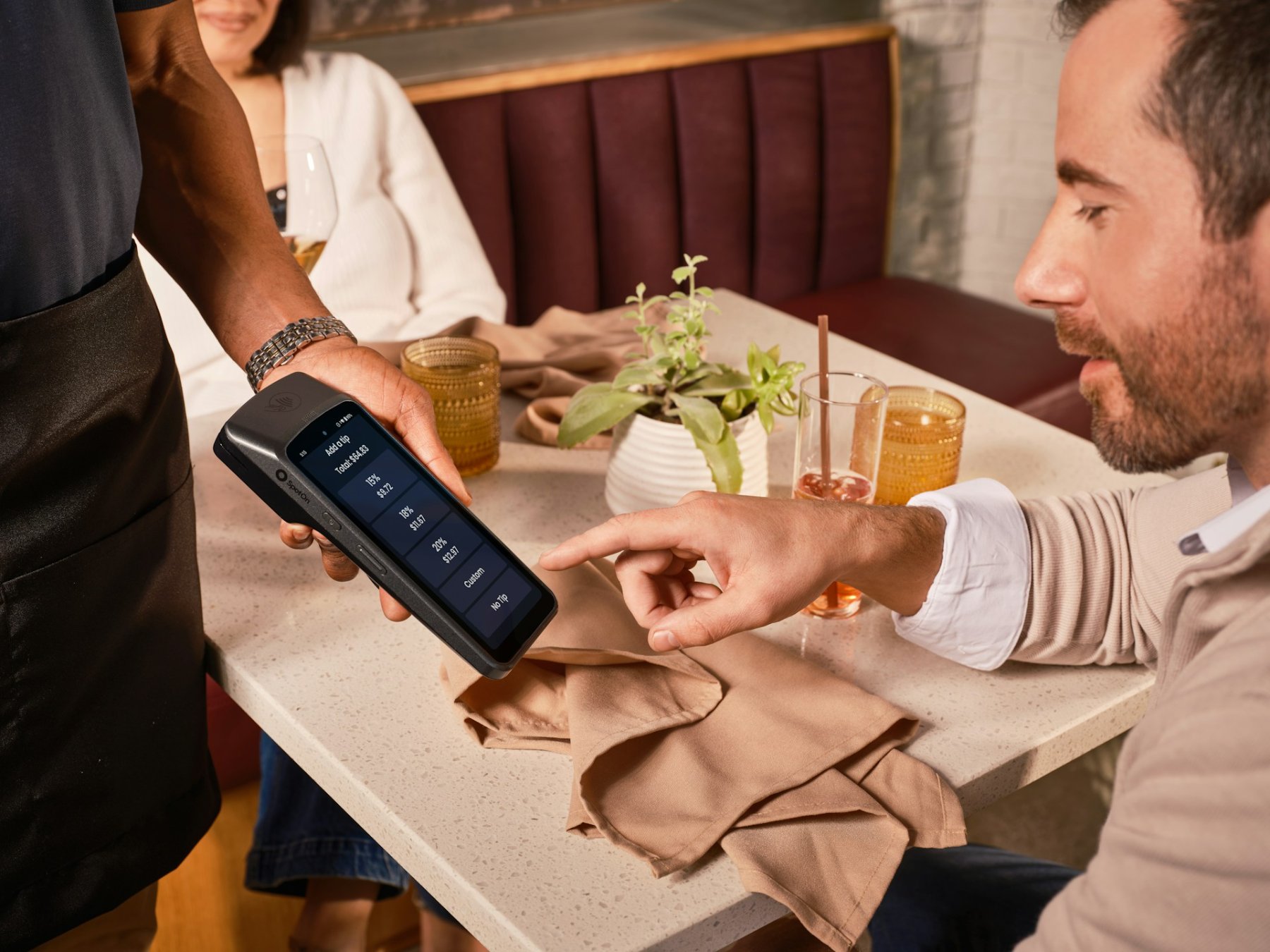
A physical tip jar can be ignored. A payment terminal cannot. It forces an active decision while the worker waits, other customers stand behind you and preset percentages anchor your choice upward. Research published in the Journal of Business Research found that being observed during a tipping decision reduced the likelihood of selecting zero, not because people felt more generous but because they felt less free. A separate experiment simulating limited service coffee purchases found that screen based payments made consumers feel worse about the establishment and more inclined to avoid it, without producing larger tips.
Most Canadians have felt that small social test: the terminal swivels toward you, the worker's eyes are right there, and the options start at 18 per cent for a muffin you picked off the shelf yourself. The software makes the request nearly costless for the business. Staff do not have to ask. The screen asks every customer, on every transaction, even when the underlying service has not changed. That is how a norm built around sustained personal attention spread to pickup counters, ordinary retail and self service kiosks.
Workers Are Caught in the Middle
The backlash has consequences. An October 2026 survey of 506 hospitality workers, commissioned by Actual and conducted by the Angus Reid Institute, found that 67 per cent of the 250 tipped respondents said their gratuities had fallen over two years. Forty three per cent relied on tip income for essentials like rent and groceries. The sample is small and the sponsor has a commercial interest in tipping infrastructure, but the direction is consistent with broader reporting on Canadian tip fatigue.
Canada is not the United States. Most provinces require tipped workers to receive the general minimum wage before gratuities. Ontario eliminated its lower liquor server rate in January 2022. The general minimum reached $17.95 on October 1, 2026. Quebec remains the principal exception: from May 2026, its general rate is $16.60, while employees receiving tips can be paid $13.30.
That does not make tips irrelevant. Minimum wage is not automatically a living wage, hours can be unstable and many workers have built their household budgets around gratuities. But generally, a customer's tip supplements a legal wage rather than replacing one the employer chose not to pay.
What Could Replace the Current System
Pick up a restaurant menu and the price you see is already incomplete. Tax is added at the bill. The tip screen follows. By the time you pay, the meal costs a fair deal more than the number on the page.
In a 2023 Angus Reid poll, 59 per cent of Canadians said they would prefer service included in prices and workers paid higher wages. Forty two per cent said tipping costs had kept them from going out. The appetite for change is there. The transition is harder than raising menu prices by the old tip percentage.
Employers absorb higher payroll costs and taxes on the increased revenue. High earning servers may leave for tipped workplaces. Customers compare visible menu prices before mentally adding gratuities elsewhere. A vague service charge may never reach the workers it is supposed to benefit.
Quebec has started building a regulatory framework. Under Bill 72, which took effect in 2025, terminals must calculate suggested tips on the pre tax subtotal and present all options, including zero and a custom amount, with equal prominence and no steering language. If the rest of Canada adopted similar rules, required terminals to disclose who receives the tip, restricted prompts in self service settings where no tipped worker provides service, and moved mandatory charges into advertised prices, the gap between what customers see and what they actually pay would start to close. If those changes stall, the screen keeps asking, workers absorb the backlash and the resentment continues on both sides of the counter.
Where This Is Heading
Tipping began as a voluntary recognition of service. Digital checkout has reversed the logic: instead of service creating a tip, the presence of a screen is used to imply that service occurred. Canadians have noticed, and they are responding.
What has not yet caught up is the system around them. Workers still depend on income that customers are increasingly reluctant to provide. Employers still benefit from a model that shifts compensation onto the checkout screen. The screens themselves still ask for money in situations where no one provided a service worth paying extra for. The Canadians pressing zero at the convenience store are not solving the problem. They are making it visible.