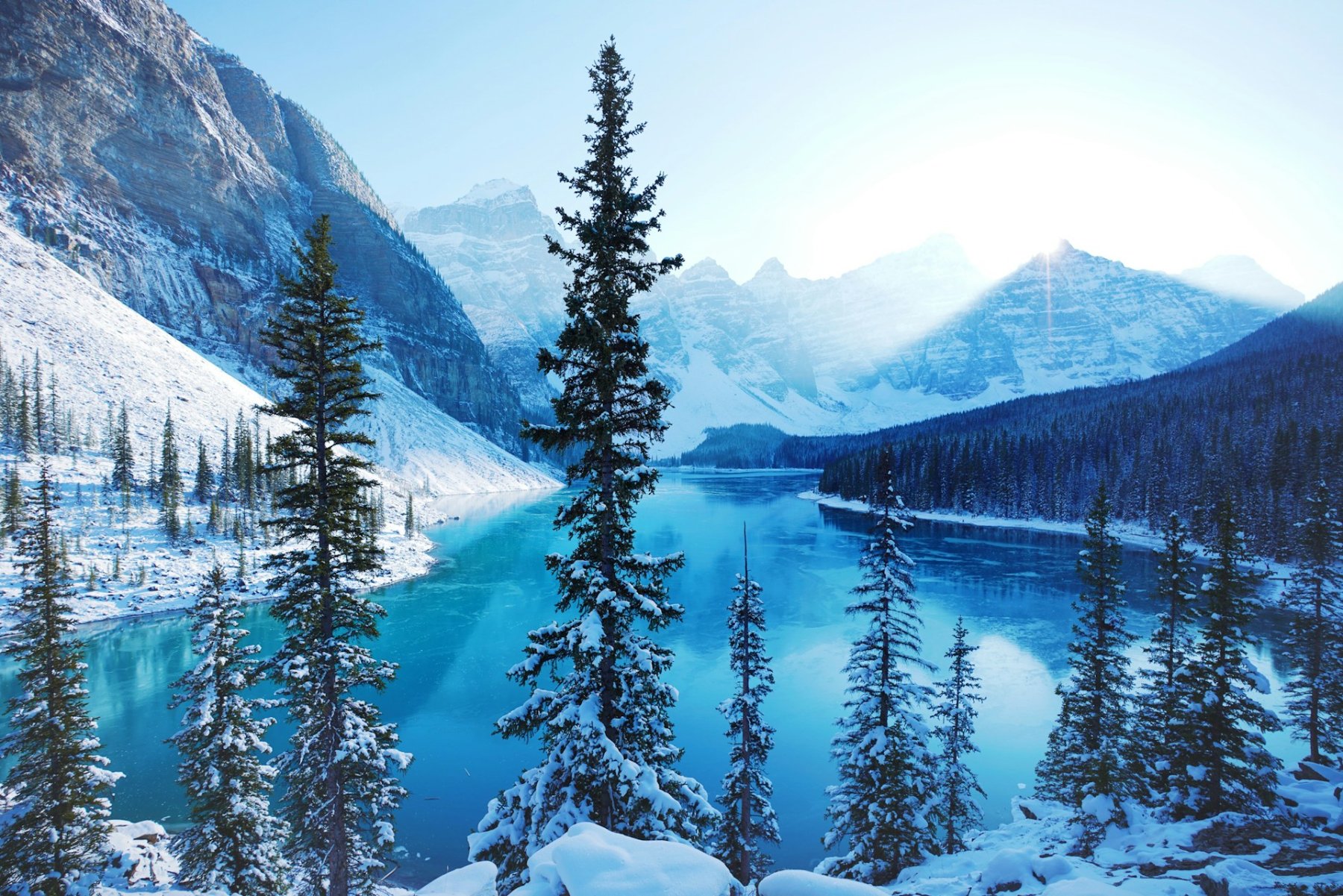
The mountains bury themselves in powder, the Prairies go brittle, and the St. Lawrence freezes hard enough to race canoes across. The Atlantic throws fog and salt spray against granite. Canada does not produce one winter, and the right trip depends on which version of it you want.
Each of these five destinations works as a two to four night trip, offers something beyond skiing and has enough indoor life to hold together when the weather shifts. One is timed to fixed festival dates. One depends on the sky. The others can be booked any time between December and March, though costs and crowds vary.
Whistler, British Columbia
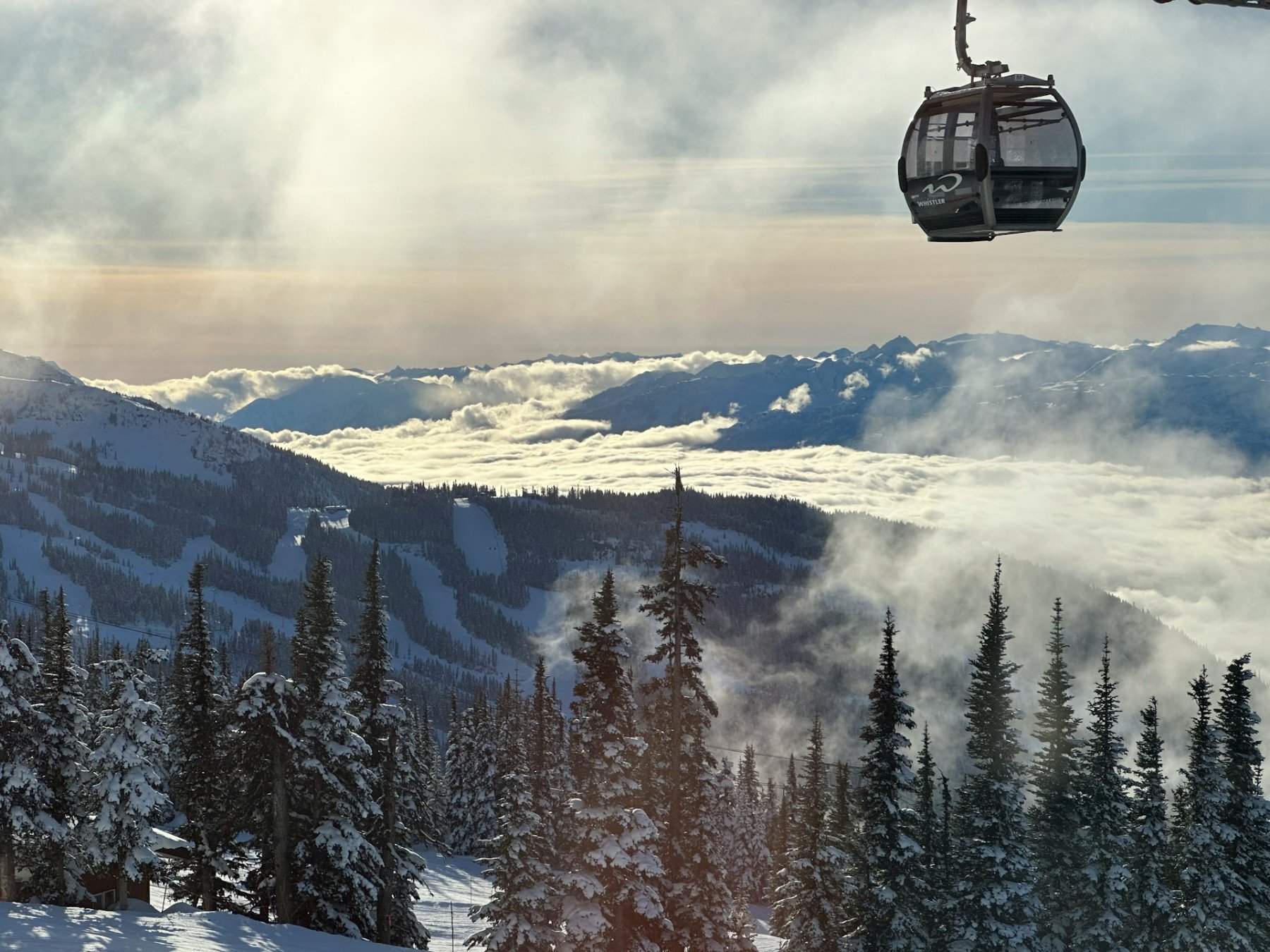
Whistler carries a high cost floor, and it is the destination on this list most worth defending for non skiers. The PEAK 2 PEAK Gondola, a 4.4 kilometre span connecting Whistler and Blackcomb mountains at 436 metres above the valley floor, runs through ski season and is open to sightseers. The ride takes eleven minutes each way.
In the Upper Village, the Squamish Lil'wat Cultural Centre represents the Sḵwx̱wú7mesh (Squamish) and Líl̓wat Nations. Guided tours led by Cultural Ambassadors run year round Tuesday through Sunday, and the Thunderbird Café serves Indigenous inspired dishes. Exhibits rotate. The centre is a substantial indoor stop and worth building part of the day around.
Fly into Vancouver, then drive or shuttle the Sea to Sky Highway; no car is needed once you arrive. Three nights gives the village room beyond the gondola. Accommodation runs high in peak season and climbs further during holiday weeks. Book early or travel midweek.
Banff and Lake Louise, Alberta
The winter case for Banff does not require a lift ticket. Johnston Canyon's frozen waterfalls draw guided ice walks, though conditions vary by season and tours should be reserved in advance. Lake Louise freezes into a public skating surface backed by the Victoria Glacier when conditions allow, typically from late December or January; confirm before building a trip around it. Dog sledding, snowshoeing and fat biking round out an itinerary that treats the mountains as a setting rather than a sport.
SnowDays programming, including snow sculptures, SnowNights and ice carving, runs on selected dates between January 21 and February 7, 2027. Individual components follow different schedules within that window.
When the weather closes in, the Banff Upper Hot Springs are open daily year round and serve as a reliable fallback. Roam Transit's Route 8X runs year round between Banff and Lake Louise, though winter frequency should be verified before travel. A Parks Canada pass is required for park entry and should be purchased online.
Fly into Calgary; allow three to four nights. Johnston Canyon and Lake Louise require early starts or advance booking, and winter road conditions in the park demand preparation.
Whitehorse, Yukon
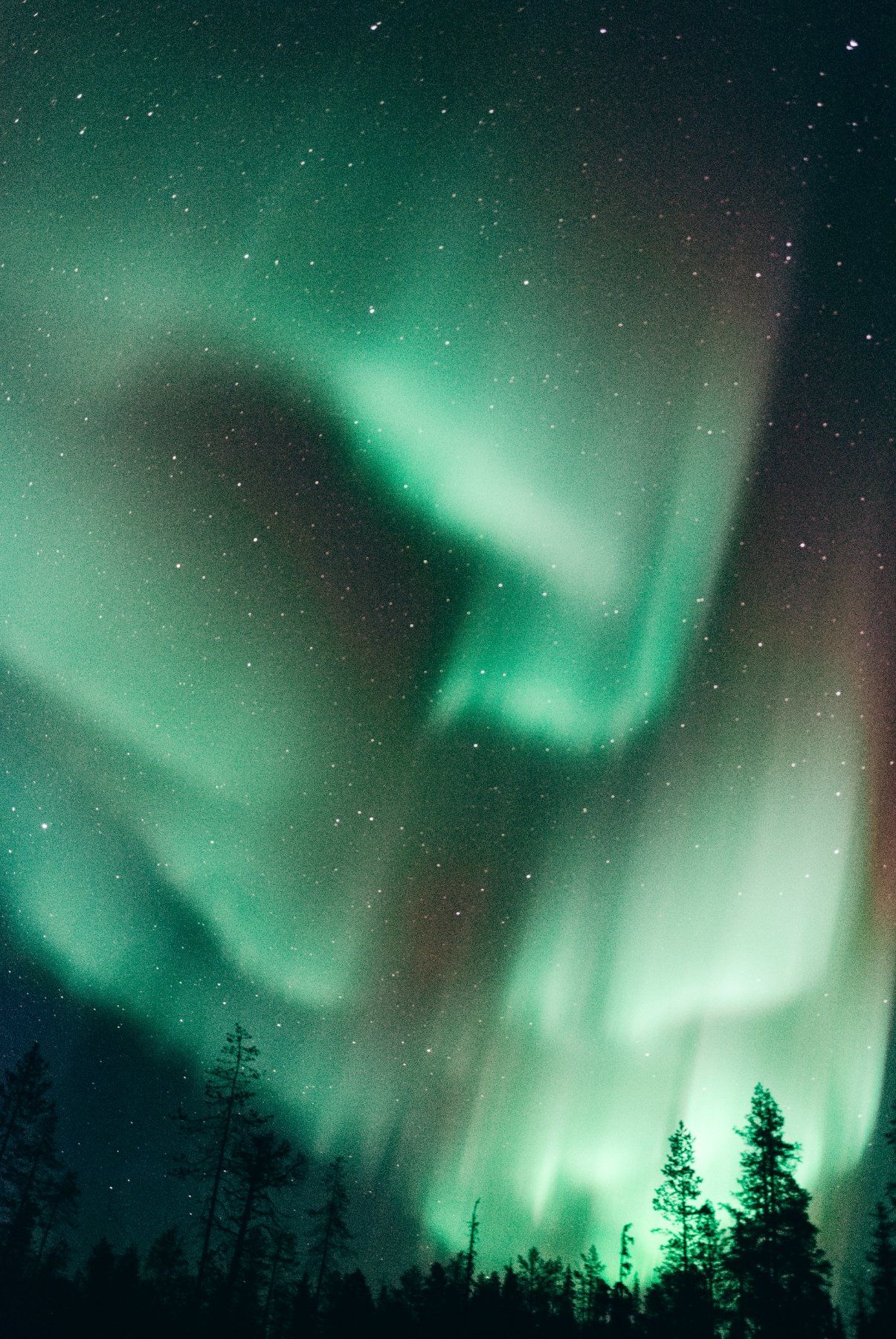
Whitehorse is the trip on this list that asks the most of a traveller's patience and rewards it the least predictably. The city sits beneath the auroral oval, and the viewing season runs mid August to mid April, with winter offering the longest dark hours. Clear skies and solar activity are both required, and no operator can guarantee a sighting. Travel Yukon recommends staying at least three nights to improve the odds.
Most guided aurora operators provide hotel pickup, so a rental car is not required for viewing excursions alone. Independent exploration is another matter; a car helps for reaching Eclipse Nordic Hot Springs, though several tour and transportation companies offer transfers or include the springs in their itineraries. The hot springs are restricted to adults 19 and over, which matters if you are travelling with younger members of a group.
The city itself justifies time beyond the sky. The Kwanlin Dün Cultural Centre, on the Yukon River waterfront, is open Monday through Saturday year round and connects visitors to the heritage of the Kwanlin Dün First Nation through a gallery, workshops and programming. The MacBride Museum covers gold rush and natural history. Together they fill a day when the aurora does not cooperate.
Fly into Erik Nielsen Whitehorse International Airport. Whitehorse is the strongest recommendation here for travellers who can treat a natural spectacle as a possibility rather than a guarantee.
Québec City, Québec
The 2027 Carnaval de Québec runs February 5 to 14. The festival bills itself as the world's largest winter carnival and includes ice sculpture, night parades, the ice canoe race on the St. Lawrence and performances across Old Québec.
Old Québec is compact and walkable, and its restaurant and gallery culture gives the city substance independent of the carnival. The narrower streets of the Lower Town hold more character and fewer crowds than the landmarks above. When the festival schedule leaves a gap, Petit Champlain and Rue Saint Jean reward an unplanned afternoon.
Fly into Jean Lesage International Airport; no car is needed. Three to four nights suits both the carnival and the city. Carnival week fills hotels and raises rates, so book accommodation early and check the live schedule before committing to specific events.
Halifax, Nova Scotia
Halifax is the strongest bad weather bet on this list, and winter strips away the cruise ship crowds that dominate its waterfront in summer. The argument for visiting is that the city's indoor life carries the trip regardless of what the sky decides to do.
The Canadian Museum of Immigration at Pier 21, open Wednesday through Sunday in winter, tells stories that form an important part of Canadian immigration history. The Art Gallery of Nova Scotia holds the reconstructed Maud Lewis house alongside Mi'kmaw and contemporary Atlantic Canadian art and is open Tuesday through Sunday, with late hours on Thursdays. The Maritime Museum of the Atlantic operates Tuesday through Sunday, with free admission on Tuesday evenings. Between them, the three museums fill a weekend.
Beyond the waterfront, the city retains year round cultural life in its restaurants, live music rooms and neighbourhood gathering places. A grey day rearranges the schedule without ruining it.
Fly into Halifax Stanfield International Airport; a car is optional for the downtown core. Two to three nights is enough. Atlantic winter is changeable, and Halifax is as likely to be grey and wet as white, but the indoor life holds regardless.
How to Choose
If the event is the reason for travelling, Québec City is the fixed date trips, and your calendar follows theirs. If the landscape is the point and the budget can absorb it, Whistler and Banff deliver the mountain version of winter without requiring a ski pass. If poor weather would weaken a more outdoor trip, Halifax has the deepest indoor bench on the list.
Whitehorse stands apart. It is the only destination here where the signature experience cannot be scheduled, and whether that sounds like a reason to go or a reason to wait depends on how you feel about uncertainty. A Canadian winter trip is a decision about which version of the season is worth entering.