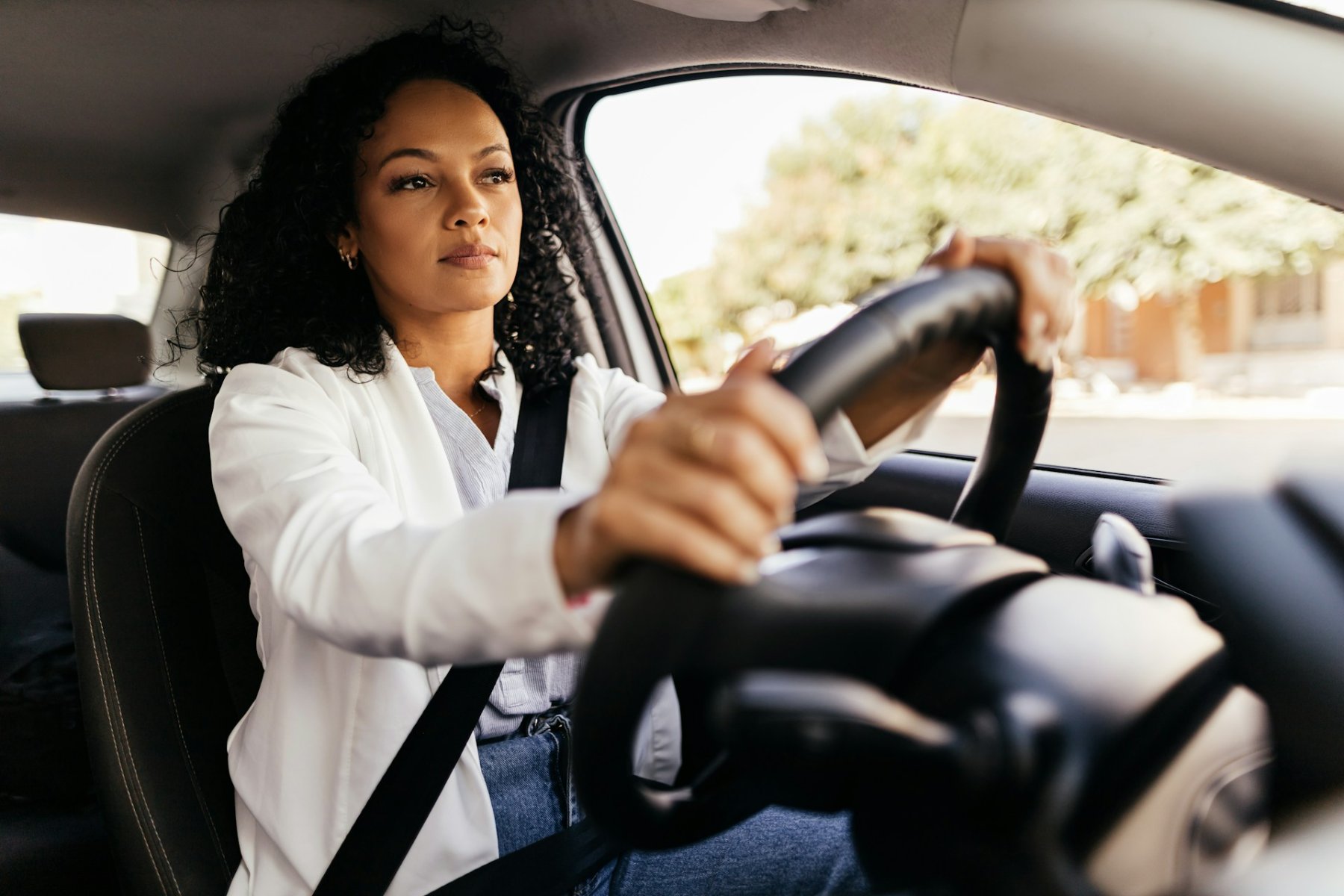
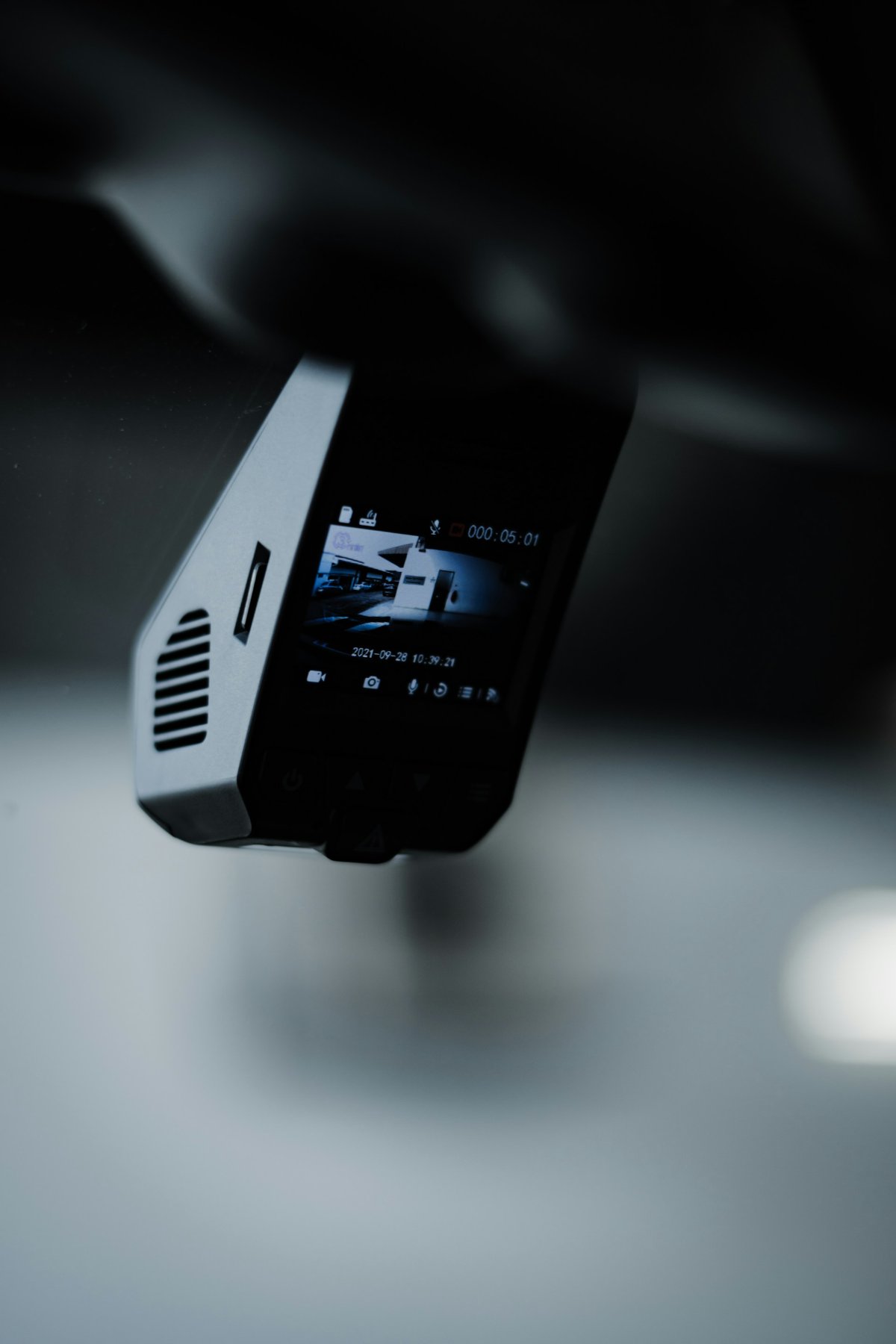
A dashcam preserves some of the seconds that insurers, police and courts may spend months interpreting. For a growing number of Canadian drivers, that clear record may justify the cost.
Steven Huang believed his dashcam would clear him. After his vehicle struck a pedestrian in a crosswalk on Cambie Street in Vancouver, he argued that the recording should eliminate his share of responsibility. The pedestrian had crossed against a no walk signal.
The B.C. Civil Resolution Tribunal saw it differently. The same footage showed the pedestrian becoming visible through significant sun glare, and the tribunal concluded that those conditions required greater caution from the driver. Huang v. ICBC, 2026 BCCRT 991 upheld ICBC's 50 50 liability assessment.
The recording preserved an event that the two parties described differently under the pressure of an insurance dispute. That is the practical case for a dashcam: collisions happen in seconds, while arguments about visibility, movement and responsibility can continue for months.
The Scale of Consequential Driving
Transport Canada's National Collision Database recorded 1,964 fatalities and 118,838 total injuries from motor vehicle collisions in 2023. Those figures cover reportable collisions submitted by provincial and territorial authorities. They do not capture every minor collision, parking dispute or near miss that still produces an insurance claim, contested fault or out of pocket cost.
The case for a dashcam rests less on catastrophe than on the routine. Even an ordinary fender bender can leave a deductible, premium consequences and civil liability riding on a few disputed seconds. For many drivers, the upfront cost is modest compared with the financial consequences of a disputed collision.
How Footage Enters Claims and Investigations
Canadian insurers, regulators and police services already accept dashcam footage as one form of evidence. ICBC allows claimants to submit photographs and videos of their vehicle and the collision scene. Ontario's Financial Services Regulatory Authority advises consumers to preserve evidence and describes staged collisions in which a fraudster cuts in front and brakes suddenly.
An insurer still applies provincial fault rules and considers statements, physical damage, police information and other evidence. Video can sharpen that analysis without replacing it.
Police practice reinforces the value of footage. In April 2026, Sarnia Police released witness dashcam footage showing a vehicle striking a pedestrian in a crosswalk and asked the public to help identify the driver. In March 2026, Burnaby RCMP released dashcam video from a road rage incident in which a suspect punched through a car window.
The Camera Does Not Promise Exoneration
Footage can help or hurt the owner. A dashcam has a limited field of view, is subject to glare, distortion and blind spots, may carry incorrect timestamps and cannot record events outside its frame. Speed, rolling stops, phone use or aggressive language captured before a collision can all become relevant in a claim or investigation.
Footage can also vindicate a driver. In 2024, Kevin Finley was arrested at gunpoint in his driveway in Winter Springs, Florida, charged with felony fleeing after driving past an unmarked police cruiser he did not recognize. The case hung over him for nearly two years before footage from his Tesla's cameras helped resolve it: the footage showed the cruiser's emergency lights were visible for only a moment before curves and nearby buildings obscured the unmarked cruiser. A judge acquitted him before the case reached a jury.
Evidence Integrity and Privacy
Rules differ by province and proceeding, but anyone relying on footage may need to establish that the recording is authentic and unaltered. Preserve the original file and its metadata, save several minutes before and after the event, and back it up. Avoid editing or posting the only copy before the claim is resolved. Once a dispute is reasonably anticipated, relevant footage should be preserved even if it is unfavourable; deleting it can create a separate evidentiary problem.
Federal private sector privacy law generally excludes information collected solely for personal or domestic purposes. That exemption does not grant blanket permission to publish identifiable footage. Public posting can raise separate privacy and civil liability questions, while commercial fleets, employers and ride hailing operators face materially different obligations.
Canadian criminal law generally permits a private conversation to be recorded when the person recording it is a participant, or when one participant consents. That rule does not resolve every privacy, employment or commercial use question. Passengers splitting a commute or riding to a weekend hockey tournament rarely expect the windshield camera to record their conversation. Drivers who do not need cabin audio should probably consider disabling it.
Ontario's Highway Traffic Act, section 73, prohibits objects positioned so that they obstruct the driver's view. B.C. law has a comparable restriction. Mount the camera high and close to the rear view mirror, provided it does not obstruct sightlines and complies with provincial rules.
Making the Camera Work
A dashcam is useful only if it is actually recording. High endurance memory cards are designed for repeated recording cycles and can reduce the risk of premature failure. Periodic checks confirm that files are being saved. After a collision, protect the relevant clip immediately so loop recording does not overwrite it. Parking mode can capture hit and run damage but may drain the vehicle battery; drivers who rely on it should understand the power draw. Cloud connected cameras offer remote access and backup but also transmit footage to a third party server, with privacy implications worth weighing.
The Next Twenty Years
Newer vehicles already use cameras and sensors to support lane departure warnings, collision avoidance and parking assistance. Not all of those systems preserve footage that an owner, insurer or police service can retrieve. Open questions remain: how long manufacturers retain data, whether owners can access it without a subscription, and what happens when a service ends.
Over the next two decades, the separate dashcam will likely disappear into the vehicle itself. Clear standards for retention, access and authentication could help narrow factual disputes when vehicle footage exists. Without them, access to evidence may depend on the make and model of the car rather than on what happened on the road.
A dashcam is not a necessity for every Canadian driver. It is becoming a reasonable precaution for drivers whose mileage, parking arrangements, work or household circumstances expose them to more disputed events. Lend your car to a new driver in the family and the calculation sharpens. The footage may defend you, implicate you or divide responsibility; the value lies in preserving evidence, not in guaranteeing vindication.