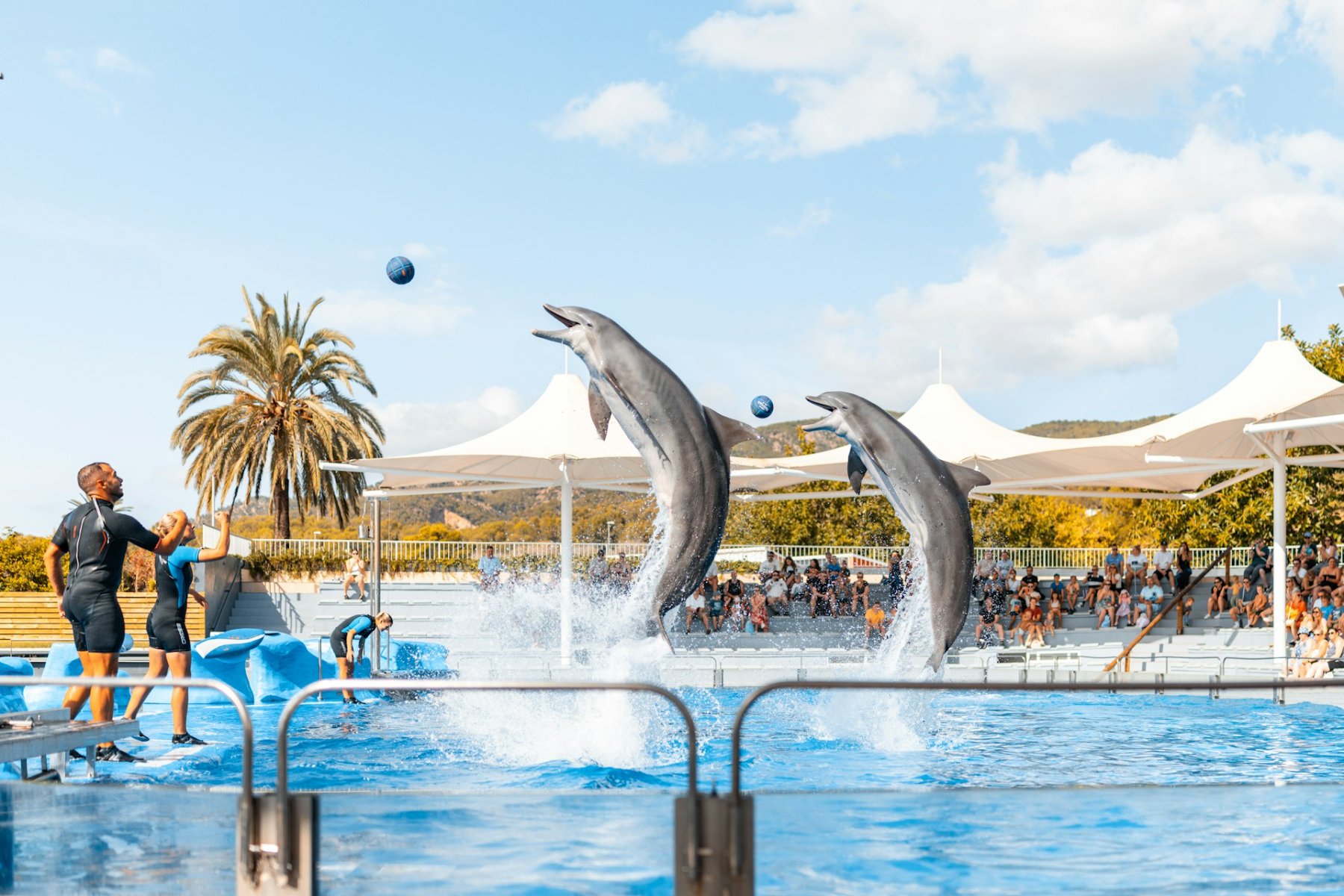
Two beluga whales transferred from the shuttered Marineland in Niagara Falls have died at Chicago's Shedd Aquarium within eight days of each other. A third Shedd beluga, a long term resident, died the same week. The federal fisheries minister says the whales were in good health when they left. The aquarium says none of its belugas are where they should be. Something went wrong between those two statements, and nobody has explained what.
If you grew up in Ontario in the 1980s or 1990s, you can probably sing the jingle. "Everyone loves Marineland" ran on television for decades, and most kids who heard it eventually stood in line to watch a killer whale breach or feed a beluga from a paper cup. Marineland was not a sophisticated operation. It was a roadside attraction that grew into one of Canada's most visited theme parks, built by a Slovenian immigrant named John Holer who started in 1961 with two tanks, three sea lions and a 25 cent admission fee.
For a generation of Canadian families, Marineland was summer. Then it became something else.
What Happened to Marineland
Animal welfare allegations surfaced publicly in 2012, when the Toronto Star published accounts from former workers describing water system failures causing skin and vision problems in marine mammals. In 2019, Parliament passed Bill S 203, the Ending the Captivity of Whales and Dolphins Act, known as the "Free Willy" bill, which banned new cetacean captivity in Canada but grandfathered Marineland's existing animals. Breeding and performances were prohibited. The park that had housed the world's largest captive beluga pod, 54 animals at its peak, entered a slow decline. More than a dozen belugas and one killer whale died between 2019 and 2025. Kiska, the park's last orca, captured from Icelandic waters in 1979, swam alone for over a decade before dying in 2023.
John Holer died in 2018. His widow Marie put the park up for sale in early 2024, briefly reopened it that summer without rides, then closed it for good. She died days later. The park sat empty with 30 belugas and four dolphins still in its tanks, the animals too expensive to maintain and too legally complicated to move.
By early 2026, Marineland's lawyers were warning that euthanasia was the only remaining option.
The Rescue That Went Wrong
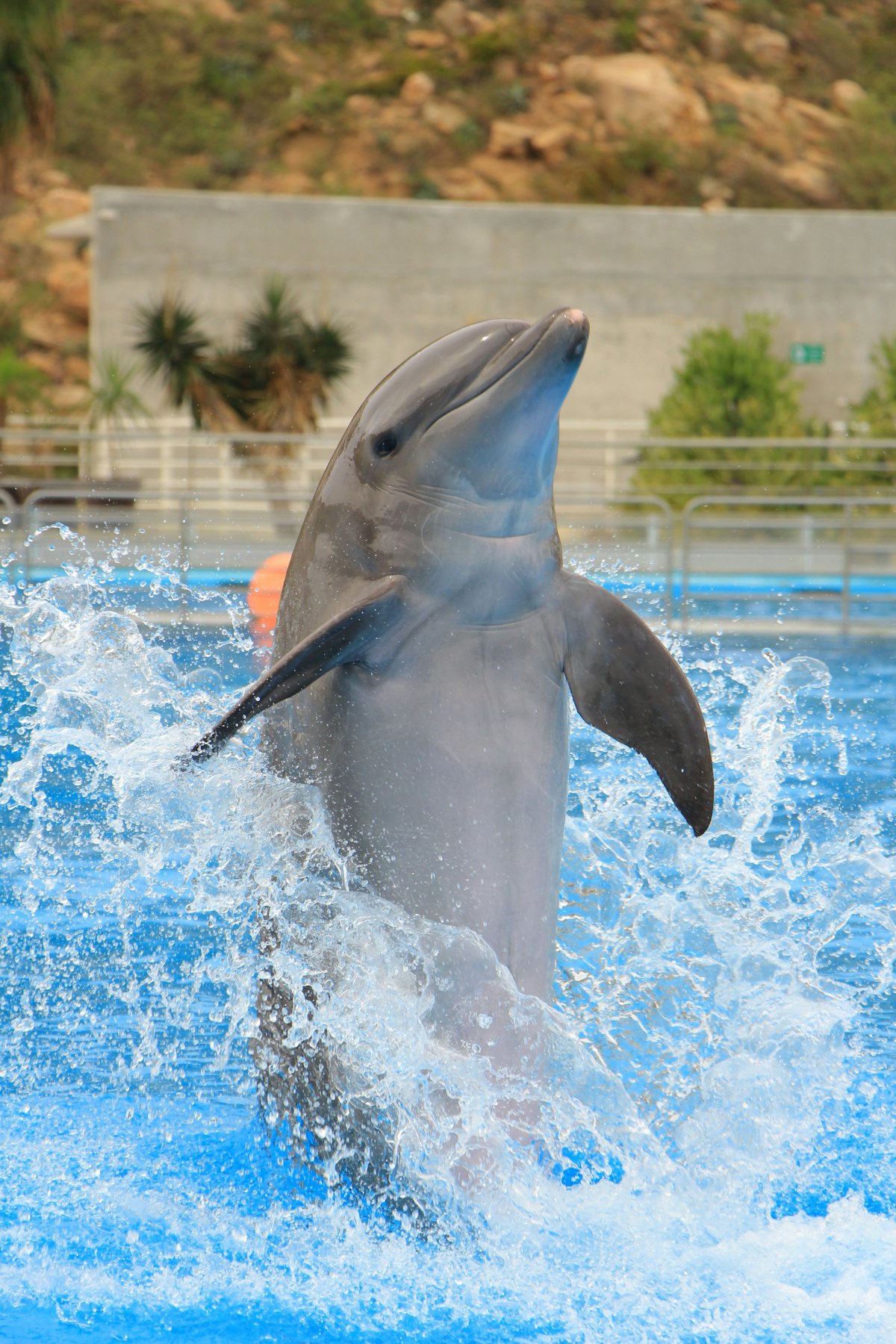
The federal government stepped in. Fisheries Minister Joanne Thompson approved an emergency relocation, described by officials as the largest collective transfer of captive whales ever attempted in North America. Beginning July 20, all 30 belugas and four dolphins were moved in batches across five facilities: Shedd Aquarium in Chicago received 10, SeaWorld San Antonio took at least seven, Georgia Aquarium received several more, and two belugas and four dolphins were flown to Oceanogràfic València in Spain. By September 1, the last two arrivals, Gimli, age seven, and Yukon, age eight, had reached Chicago.
Thompson confirmed the whales were given a clean bill of health before departure. Then they started dying.
Peekachu, a 23 year old female who was blind in one eye, arrived at the Shedd on August 13 and died on August 25. She had shown signs of dehydration and erratic eating. Rain, a 20 year old who arrived the same day, died on September 2. Beethoven, a 34 year old beluga who had lived at the Shedd for years, also died on September 2. Three deaths in eight days.
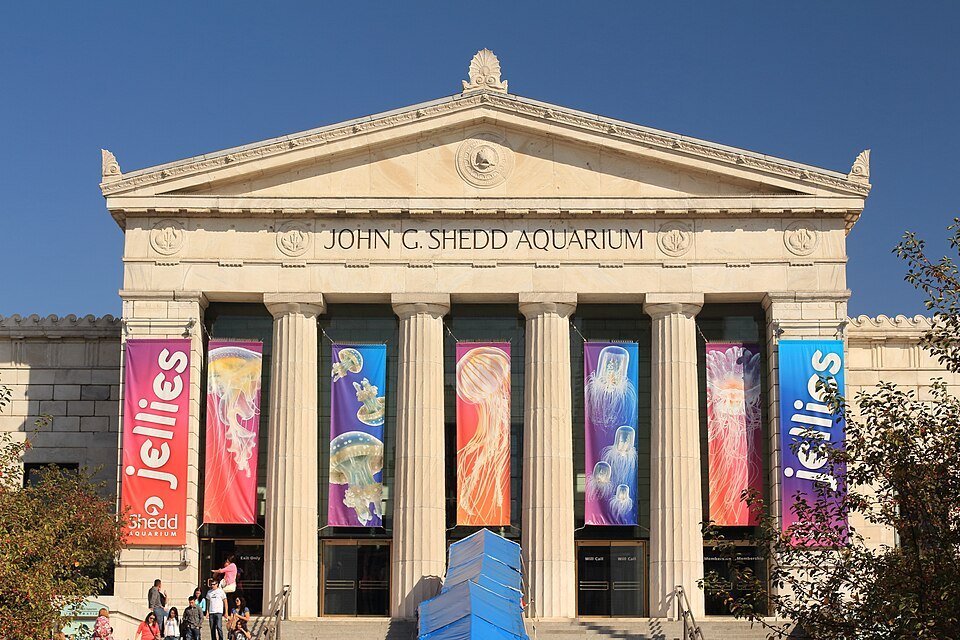
When I think about what those numbers mean, the honest answer is that nobody knows yet. Necropsy results are pending. The Shedd has said that the deaths were "unexpected and there is still much we do not know." Belugas get most of their hydration through the fish they eat, and several of the transferred whales were not eating consistently. The aquarium acknowledged that none of the rescued belugas are "where we want them to be from a health standpoint." Their condition, the Shedd said, "can change from day to day and, at times, hour to hour."
Animal Justice, a Canadian animal rights organization, called the relocation "an epic failure." Former Marineland trainer Phil Demers said he was "sad, though not entirely surprised."
What the Minister Said and What It Means
The tension between the minister's statement and the aquarium's has not been resolved. Thompson said the whales were healthy when they left. The Shedd says they arrived in compromised condition. Peekachu was blind in one eye. Several were dehydrated. Whether "good health" meant fit for a 900 kilometre transport or merely alive enough to clear a veterinary checklist is the question no one in government has answered directly.
The transfer was framed as a rescue. It may have been the best available option. But the gap between the government's language and the outcome is wide enough that it deserves a public accounting.
What Marineland Tells Us About Where Canada Is Going
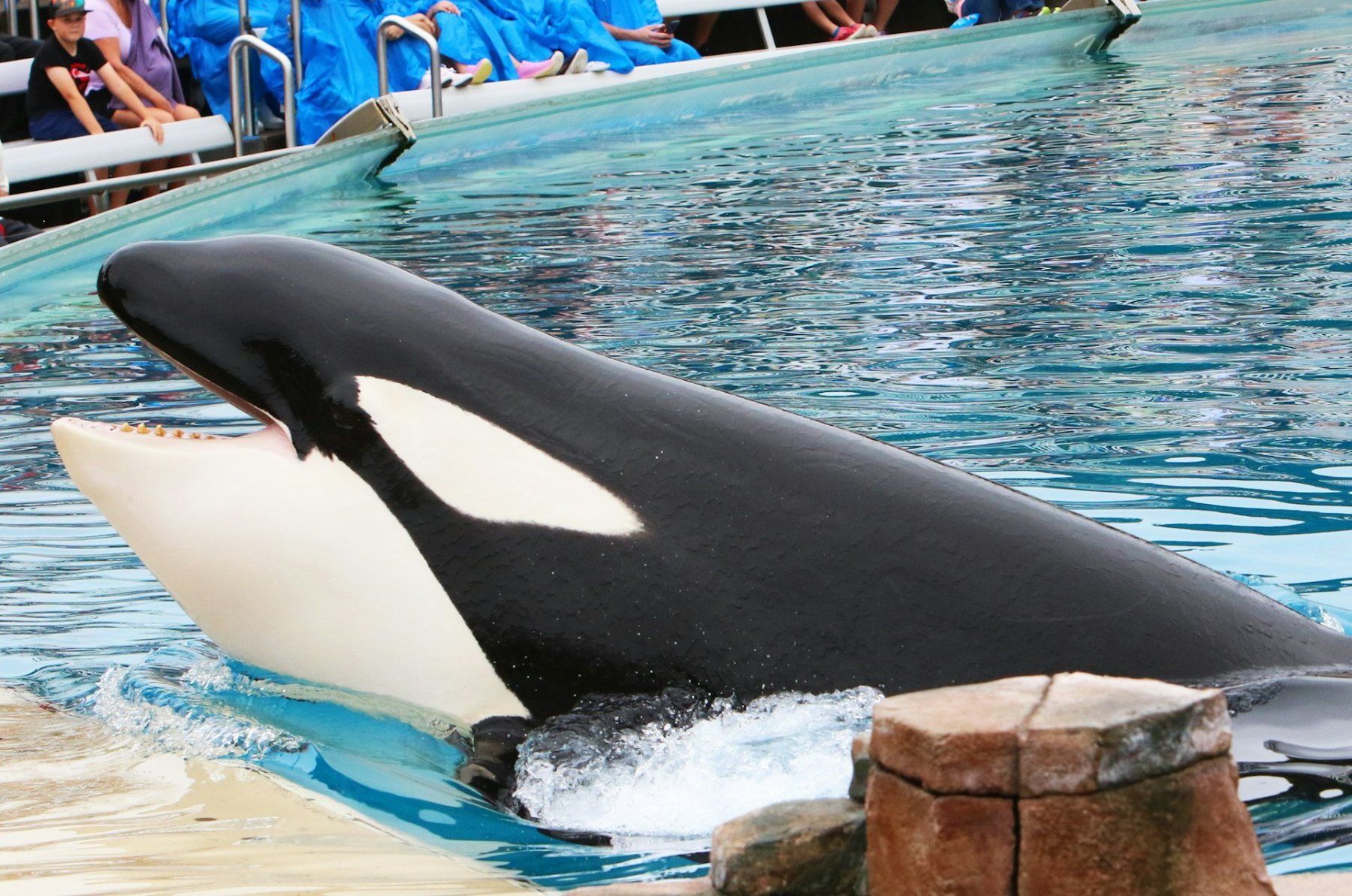
Most Canadians who remember Marineland remember it fondly. The jingle, the belugas, the summer day trips from Toronto or Hamilton or Kitchener. It was the kind of place that does not get built anymore, a family attraction that combined animals, rides and spectacle in a way that one generation considered entertainment and the next considered cruelty.
Bill S 203 did not close Marineland. It made Marineland's business model illegal to replicate. No new park can keep whales or dolphins in Canada. The law grandfathered existing animals but prohibited breeding, which meant the population would age and die without replacement. The legislation answered a real ethical question, whether keeping cetaceans in concrete tanks is acceptable, and the answer Parliament gave was no.
But the question Marineland's closure raises is broader than animal welfare. Canada has become a country that is very good at deciding what cannot be done and less certain about what replaces it. Niagara Falls residents have asked for a new amusement park on the property. Ontario Premier Doug Ford called the animals' conditions "just terrible." City councillors have pushed for the province to designate the site for redevelopment. No replacement has been announced. The 60 year old park sits empty, its rides dismantled, its tanks drained.
If you have ever driven past a closed business in a small Ontario town, a shuttered mill, a boarded up motel, and felt the gap between the community that built it and the policy that ended it, the Marineland property carries the same weight at a larger scale. The jingle promised that everyone loves Marineland. The law said the thing everyone loved should not exist. Both statements were widely accepted in their time. Neither effectively addressed what comes next.
If the transferred belugas stabilize over the next six months, the remaining whales at other facilities adapt, and the Marineland site is repurposed into something that serves Niagara Falls tourism without captive animals, the S 203 framework becomes a model for ending harmful practices while building alternatives. If more whales die in unfamiliar tanks, the site sits vacant for years, and Canada's regulatory framework proves better at prohibition than transition, the Marineland saga becomes a cautionary story about a country that knew what it wanted to stop but not what it wanted to build.