
The border did not move when Donald Trump renamed Lake Ontario. The words on millions of American screens did. That distinction explains why the order is neither a sovereign transformation nor an empty joke.
On August 27, 2026, President Donald Trump signed Executive Order 14422, directing the secretary of the interior and the U.S. Board on Geographic Names to replace "Lake Ontario" with "Lake America" in the Geographic Names Information System within 30 days. The order invokes 43 U.S.C. §§364–364f, which authorize the interior secretary and the Board to standardize nomenclature across the federal government. Executive departments and agencies must update maps, contracts, documents and communications accordingly.
The order described the shared body of water as an American national asset and asserted that its deepest portions lie within U.S. territory. The political context extended beyond the document: the signing followed the breakdown of trade negotiations, new tariffs and Trump's recurring suggestion that Canada should become the 51st state.
What the order changed is real but bounded. It governs U.S. federal nomenclature. It does not move the international boundary, transfer territorial jurisdiction, alter navigation or water rights, amend the Boundary Waters Treaty of 1909 or the Great Lakes Water Quality Agreement, or determine what Canada, New York State, international bodies, newsrooms or private citizens must say.
Prime Minister Mark Carney responded by noting that the name derives from the Wendat word Ontari'io, meaning "the lake is beautiful, the lake is big", and is more than 400 years old, predating both Confederation and the U.S. Declaration of Independence. "Canadians also know that naming reality means calling it Lake Ontario, then, now and always," Carney said. New York Governor Kathy Hochul was blunter: "New York won't be calling it that." The Seneca Nation called for the order's reversal, arguing that it violated the spirit of the 1794 Treaty of Canandaigua and disrespected the Indigenous origins of a name that existed centuries before either modern country. Seneca Nation President J. Conrad Seneca said the president "cannot assert ownership over our culture or erase it through irresponsible political action."
A Name Can Travel Farther Than a Law
The order's administrative jurisdiction is narrow. Its practical reach is not. Google updated its maps over the weekend following the signing; Apple followed on September 1. American users of both platforms now see "Lake America." Canadian users continue to see Lake Ontario. International users on Google see both names. MapQuest refused the change entirely, declaring users could "name it whatever you want at your leisure", a statement that went viral and temporarily boosted the company's app rankings.
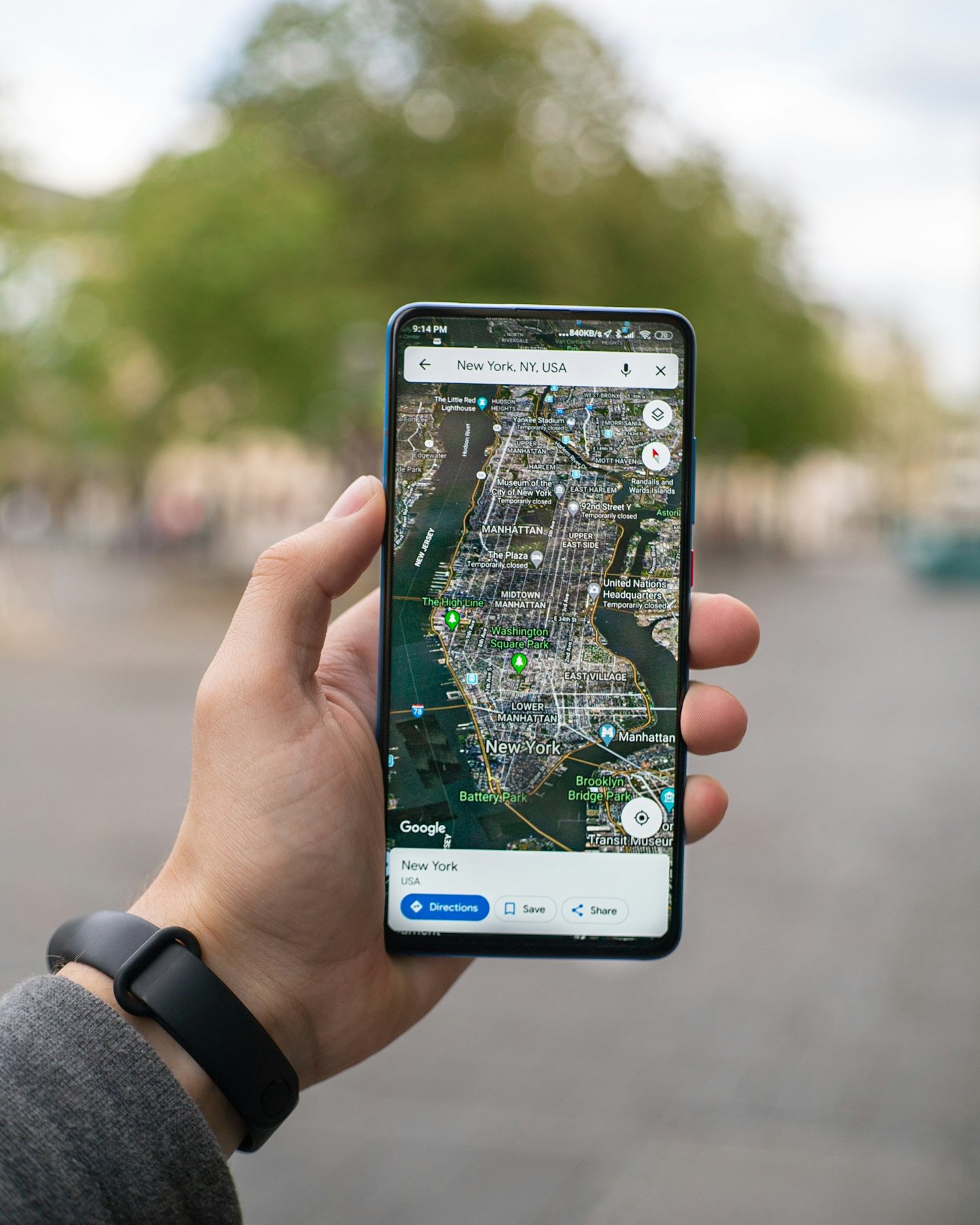
Neither Apple nor Google was legally compelled by the executive order. Google said its naming policy follows the GNIS, the federal repository for official U.S. place names. Apple adopted the same label after the GNIS update but has not publicly explained whether the database compelled its decision. The distinction matters. The order did not require private companies to adopt the new name. But it changed an authoritative federal database that many platforms rely on. Once that happened, private adoption became far more likely.
This is how administrative power converts into cultural influence without requiring cultural authority. The label "Lake America" now appears to American users of two of the world's dominant mapping platforms, not because Congress legislated it, not because the public demanded it, but because one executive action altered a database that commercial systems trust. The episode belongs to the same pattern as "51st state" rhetoric and escalating tariffs: an effort to make American framing of Canadian reality appear routine.
What Cannot Be Renamed From Washington
The Boundary Waters Treaty of 1909 gives Canada and the United States "equal and similar rights" in the use of boundary waters on their respective sides of the border. It does not regulate place names, but its framework of binational equality remains legally operative regardless of what either government calls the lake. The Geographical Names Board of Canada and Ontario's provincial naming authority retain full jurisdiction over Canadian official usage. Canadian maps, procurement and public data are governed by Canadian institutions, not American executive orders. There is no evidence that Canada's official geographic databases have adopted the American label.
The opposition within the United States deserves attention. Hochul's refusal signals that the state government sharing the lake's American shoreline does not intend to accept the federal label. The Seneca Nation adds another dimension to the dispute. Its objection is rooted in Indigenous sovereignty, not in a contest between Canadian and American nationalism. These are not Canadian complaints. They are American ones, a reminder that the order represents an administration's preference, not a national consensus.
Canadian Identity After the Provocation
The provocation is real. The response it requires is not outrage but institutional discipline.
Canadian governments, schools, media and public data should continue using Lake Ontario without hesitation or defensive quotation marks. The name is not a bargaining position; it is a geographic fact with Indigenous roots older than either country's founding documents.
Canada should also recover the deeper name. Teaching the name's Indigenous origins, including its commonly cited connection to the Wendat word Ontari'io and related Iroquoian language forms, reframes the dispute as something richer than a contest between two settler nationalisms. The Seneca Nation identifies the lake as sga:nyodai:yoh, or "beautiful lake." The name does not belong to Ottawa or to Washington. It belongs to the peoples who named it.
If Canada can ensure that its public procurement, mapping standards and regulated digital interfaces draw from authoritative Canadian geographic data, the American label stays where the executive order's jurisdiction ends: inside the U.S. federal government and the platforms that follow its databases. If Canadian institutions defer to American defaults out of convenience, the order's influence extends beyond its legal warrant.
More broadly, the episode illustrates a practical risk. When Canadian institutions build public facing services around American mapping platforms and data defaults, American administrative decisions can appear on Canadian systems even when Canadian law has not changed.
A border can be pressured. A label can be propagated. But identity is sustained by memory, law, institutions and continued use, and by the confidence to name your own reality without waiting for permission.