A new VOICE trial demonstration shows the promise of direct brain to speech communication. It does not yet establish accuracy, durability, affordability, availability or clinical readiness.
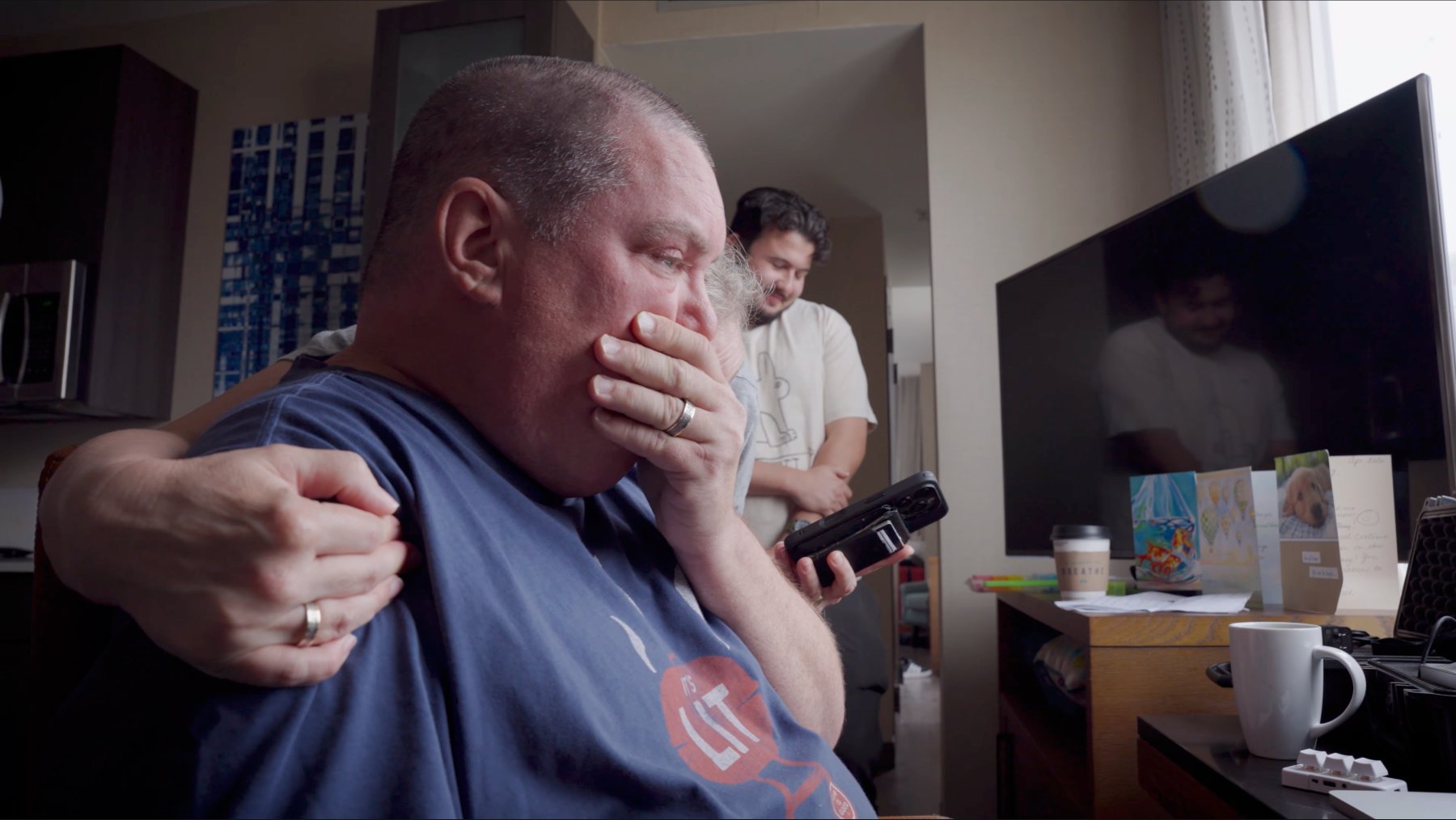
When Terry attempted to speak, the sound did not come from his mouth. A wireless implant recorded activity from the region of his brain still trying to form words. A decoder predicted what he intended to say, and a synthetic version of his own voice carried the result into the room. For someone whose ALS has been steadily taking his speech away, the September 18 demonstration was a route back into conversation.
It was also, by Neuralink's own admission, an early one. The company's devices are investigational and not approved by any regulator.
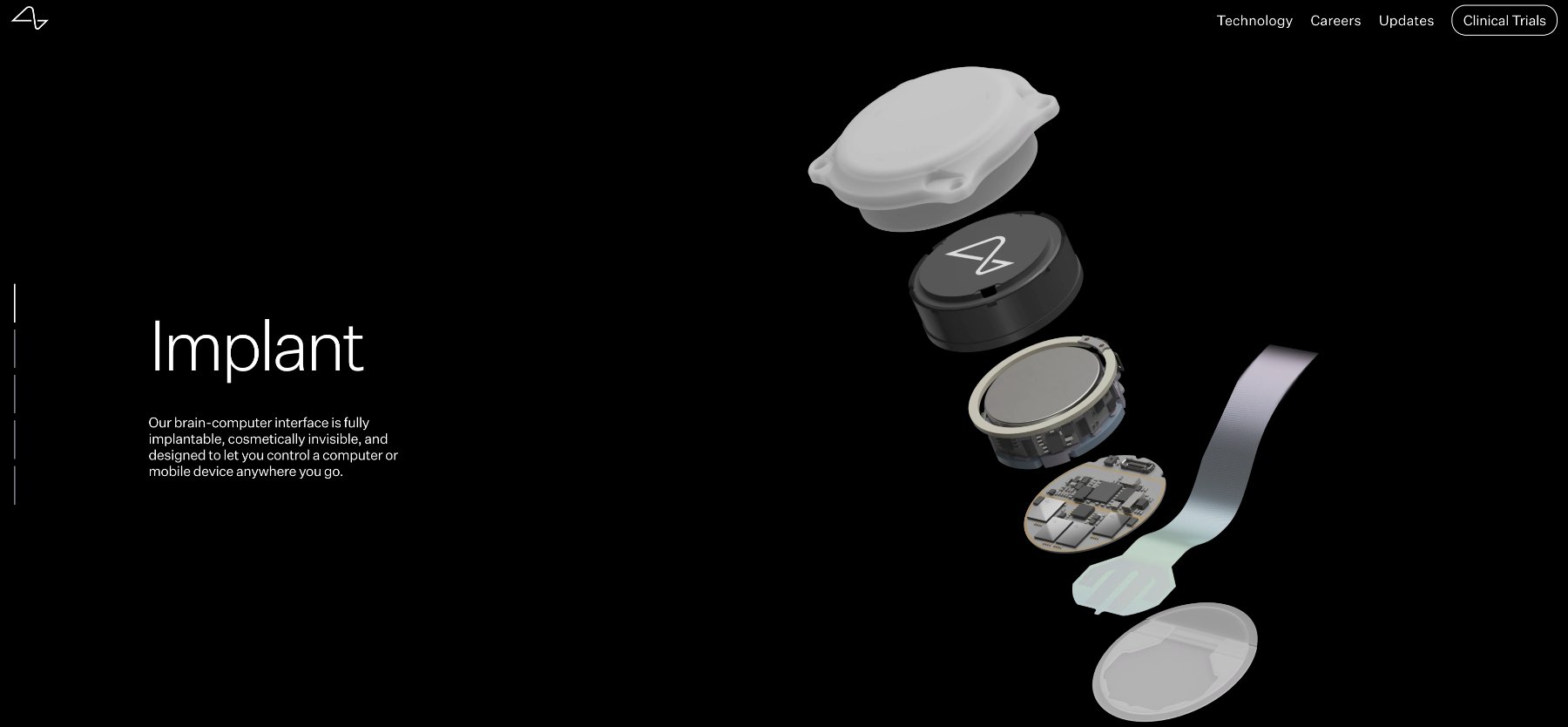
According to Neuralink, Terry is the third participant enrolled in VOICE, an open label early feasibility study with an estimated enrolment of six people with severe speech impairment. He has bulbar onset ALS, the variant that attacks the muscles of speech and swallowing before it reaches the limbs. The implant, Neuralink's N1, sits flush with the skull and connects to flexible electrode threads placed by a surgical robot.
During calibration, Terry attempted or mimed speech while the system learned associations between his neural activity and intended sounds. During use, the decoder predicts his intended words. Neuralink says a separate synthesis model built with xAI's Grok Voice renders them as audible output in a voice modelled on recordings made before ALS changed the way he sounded.
The distinction between these two layers matters. The implant and decoder infer intended speech. A different model produces the sound.
The company's edited public video shows apparently meaningful phrases, including spontaneous interaction. What it does not supply is a word error rate, correct words per minute, latency or any measure of how the system performs across hours and days rather than a curated clip.
Why Direct Speech Changes the Equation
Most people who communicate through assistive technology today do so by controlling a cursor. Eye gaze systems track where a person looks on a letter board or word prediction display. Neuralink's own Telepathy interface, used by an earlier participant named Brad Smith, let him move a cursor with his thoughts and compose text that could then be spoken by a synthesized voice.
These tools restore written communication. They do not restore the timing of conversation.
Anyone who has tried to hold a group discussion over text while everyone else is talking knows the problem. Speed matters. Intonation matters.
The ability to interrupt, hesitate and correct yourself mid sentence matters. A direct speech interface promises output fast enough that the person using it can participate in conversation rather than compose messages alongside one.
The Field Was Already Moving
Neuralink did not invent speech decoding from neural signals. A Stanford team published results in Nature in 2023 showing one participant with ALS producing decoded speech at 62 words per minute with a 23.8 per cent word error rate across a 125,000 word vocabulary. In the New England Journal of Medicine in 2024, a UC Davis and Blackrock Neurotech team reported that another participant reached approximately 32 words per minute with a 2.5 per cent word error rate. That performance emerged within roughly 16 cumulative hours of system use.
In 2025, a UC Berkeley and UCSF team reported a streaming brain to voice system in Nature Neuroscience. In free form use, it produced speech at 46.5 words per minute, with output beginning about 1.17 seconds after speech onset. The system generated audio in 80 millisecond increments, allowing speech to stream rather than waiting for a completed sentence.
Each result involved a single participant. None is a finished product. But together they establish a quantitative standard that Neuralink has not yet matched publicly.
Where Neuralink may distinguish itself is product engineering rather than scientific priority: a wireless, rechargeable, fully implanted device with robotic placement and an ambition for home use. The question is whether that engineering can preserve laboratory level performance under everyday conditions.
What Remains Unproved
Surgery carries inherent risks, including bleeding, infection, seizure and tissue injury. In Neuralink's first human implant, some electrode threads retracted from the brain's surface, reducing usable signals. Software adjustments recovered performance, and Neuralink said it modified its surgical approach in subsequent procedures to reduce that risk. The episode illustrates why long term durability data matters.
ALS itself complicates the picture. The disease progresses, and ALS related changes can affect the recorded cortical signals. A separate long term study involving a fully implanted Medtronic communication BCI found the system became unreliable after approximately six years as the participant's condition advanced, despite no identified hardware malfunction.
It decoded click commands rather than attempted speech, but the case illustrates how disease progression can affect the neural signals on which any implant depends. A system that works for weeks must still be assessed across years.
Then there are questions closer to daily life. When the decoder predicts the wrong word and a synthetic version of a person's voice says it aloud, who controls correction? What happens to the neural data recorded during every session? Who owns the voice model trained on pre illness recordings?
If Neuralink changes direction or discontinues support, what becomes of the people whose communication depends on its hardware and software?
The VOICE trial is designed primarily to assess safety. Its listed primary outcome is device and procedure related adverse events at twelve months. Preliminary speech efficacy, measured as maximum correct words per minute, is tracked for up to 48 months.
An estimated six participants at one listed U.S. site, all meeting strict eligibility criteria including a stable caregiver and at least twelve months of life expectancy, will generate the initial evidence.
Canada Is Watching From a Different Study
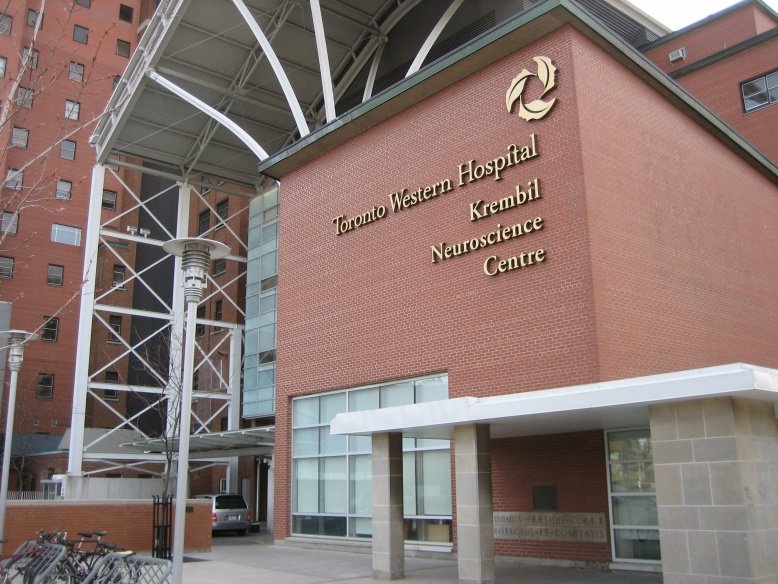
Health Canada authorized Neuralink's separate CAN PRIME study at Toronto Western Hospital for up to six people with severe quadriplegia caused by cervical spinal cord injury or ALS. In 2026, Vancouver police Sergeant Lee Marten, who has ALS, was publicly identified as a Canadian Neuralink recipient under CAN PRIME. CAN PRIME focuses on controlling external devices such as phones and laptops. It is not the VOICE speech protocol, and there is no public evidence that VOICE is recruiting in Canada.
The forward looking Canadian question is practical. If a speech implant eventually proves safe and effective, will Health Canada and provincial health systems evaluate the full care pathway? That means surgery, training, ongoing software, data privacy, long term maintenance and backup communication for the days the system is down.
What Would Make This Real
The September video showed why brain to voice technology is so impactful. Turning that demonstration into dependable medical infrastructure requires a different kind of evidence.
If Neuralink publishes multi participant accuracy and speed data, opens its results to independent replication and demonstrates reliable home use across disease progression, the system moves toward becoming a medical tool. If those steps stall while the demonstrations continue, the technology remains a promise available to a handful of trial participants.
Existing communication tools should not be neglected while implants develop. Eye gaze systems, switches, communication boards, voice banking and speech language support are available to more people now and deserve continued funding as essential care. The measure of progress is not whether a company can produce a moving video. It is whether a person with ALS can wake up on an ordinary morning, speak to the people around them and trust that the system will still be working next year.