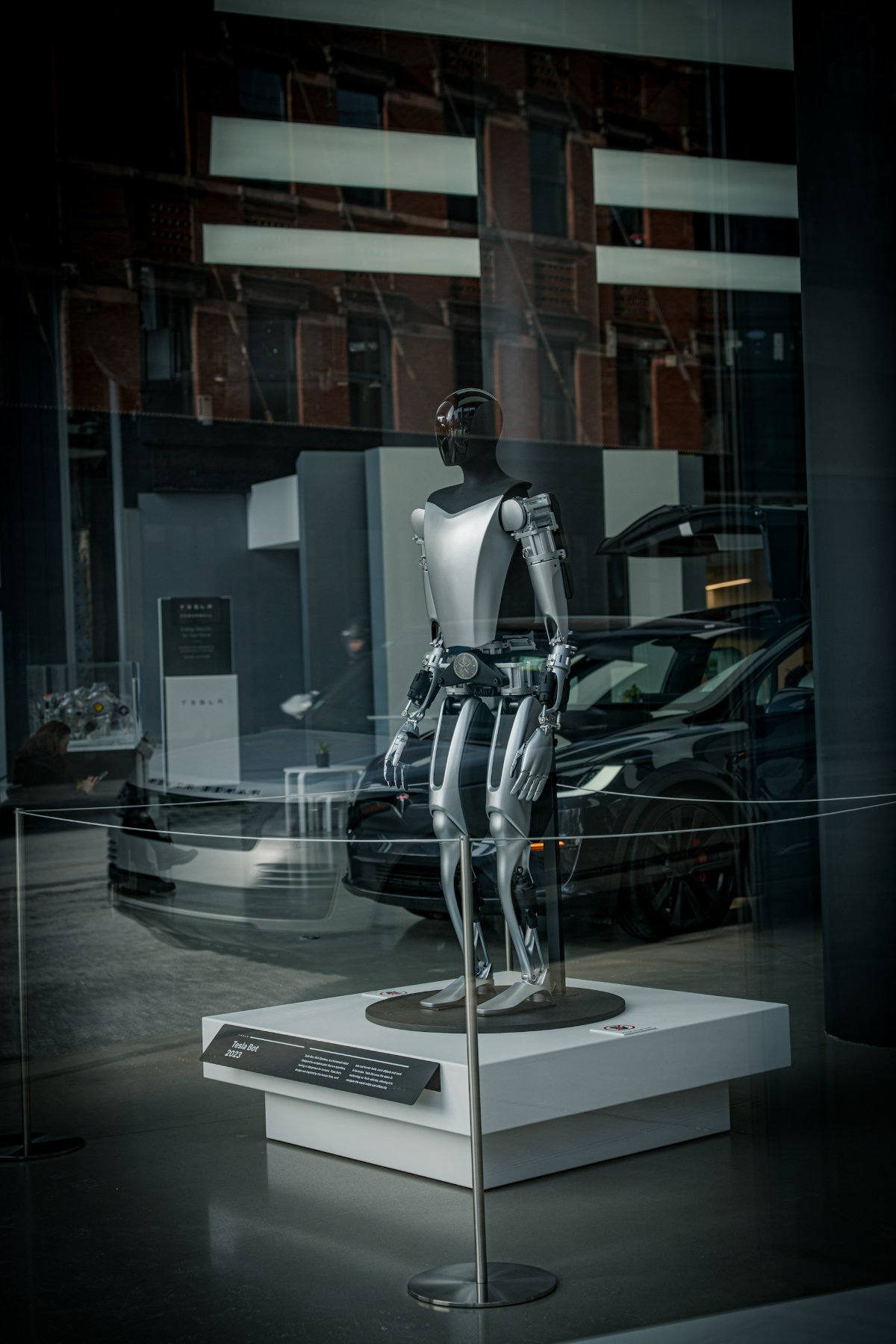
Tesla says a mass produced humanoid robot could eventually cost roughly as much as a car. Canada does not face a universal labour shortage, but population aging is reducing participation while several industrial occupations continue to face recruitment pressure. Those trends make humanoid robots worth examining, without assuming Canada has run out of workers.
Canada's labour market contains two apparently conflicting realities. In the second quarter of 2026, there were three unemployed people for every job vacancy. Deputy Governor Nicolas Vincent of the Bank of Canada calls it a "low hire, low fire" market: layoffs remain limited, but employers are not hiring aggressively. At the same time, population aging is lowering labour force participation, and vacancies increased year over year in trades, transportation, manufacturing and utilities. That is not a universal shortage. It is a mismatch between available workers, available jobs and required skills, a mismatch that could intensify in certain industries as additional boomers retire.
Elon Musk has said Tesla's Optimus humanoid robot will be available to external buyers in 2027, at an eventual target price of US$20,000 to US$30,000. Neither the price nor the date is a commitment. Tesla has not announced pricing or opened a pre order system.
What exists is a production line at Fremont, where conversion began in May after Model S and X manufacturing ended. Musk has warned that initial output will be "quite slow" and that production speed depends on "the least lucky, slowest, dumbest part" among more than 10,000 unique components. Musk has said Tesla is targeting approximately summer 2027 for production at a larger Giga Texas facility.
Tesla's published specifications span several prototype generations dating to the 2021 concept reveal; no complete V3 spec sheet has been released. Across those iterations, the company has described Optimus as roughly five foot eight and approximately 125 pounds, with dexterous hands. Tesla says the robot benefits from vision based AI infrastructure developed alongside its autonomous driving software. Demonstrated tasks include sorting objects and basic factory work. Folding laundry and stocking shelves remain ambitions rather than proven capabilities.
The Demographic Pressure Behind the Headline
The demographic pressure is real, but it cannot be inferred from an unattended retail counter. It emerges in participation rates and the age composition of particular industries. Statistics Canada reported nearly 2.7 million people aged 60 to 64 living in Canada as of mid 2023. That figure counts the entire age cohort, not active workers: 44.9 per cent described themselves as completely or partially retired. The broader pattern is cumulative. Nearly fifteen years have passed since the first boomers turned 65, and by 2030 all remaining boomers will have reached that threshold.
RBC Economics has documented what this means for participation. The rate fell 1.6 percentage points between 2010 and 2024, despite a 2.3 point increase among prime age workers, and RBC projects it will drop more than two additional points by 2030. Nine of 21 industries have more than a quarter of their workforce over 55. In fishing and agriculture, the figure approaches 40 per cent. Under the Fraser Institute's fast aging scenario, per capita GDP in 2043 could be roughly 13 per cent lower than in a no aging scenario, a reduction valued at $11,200 per person in 2021 dollars.
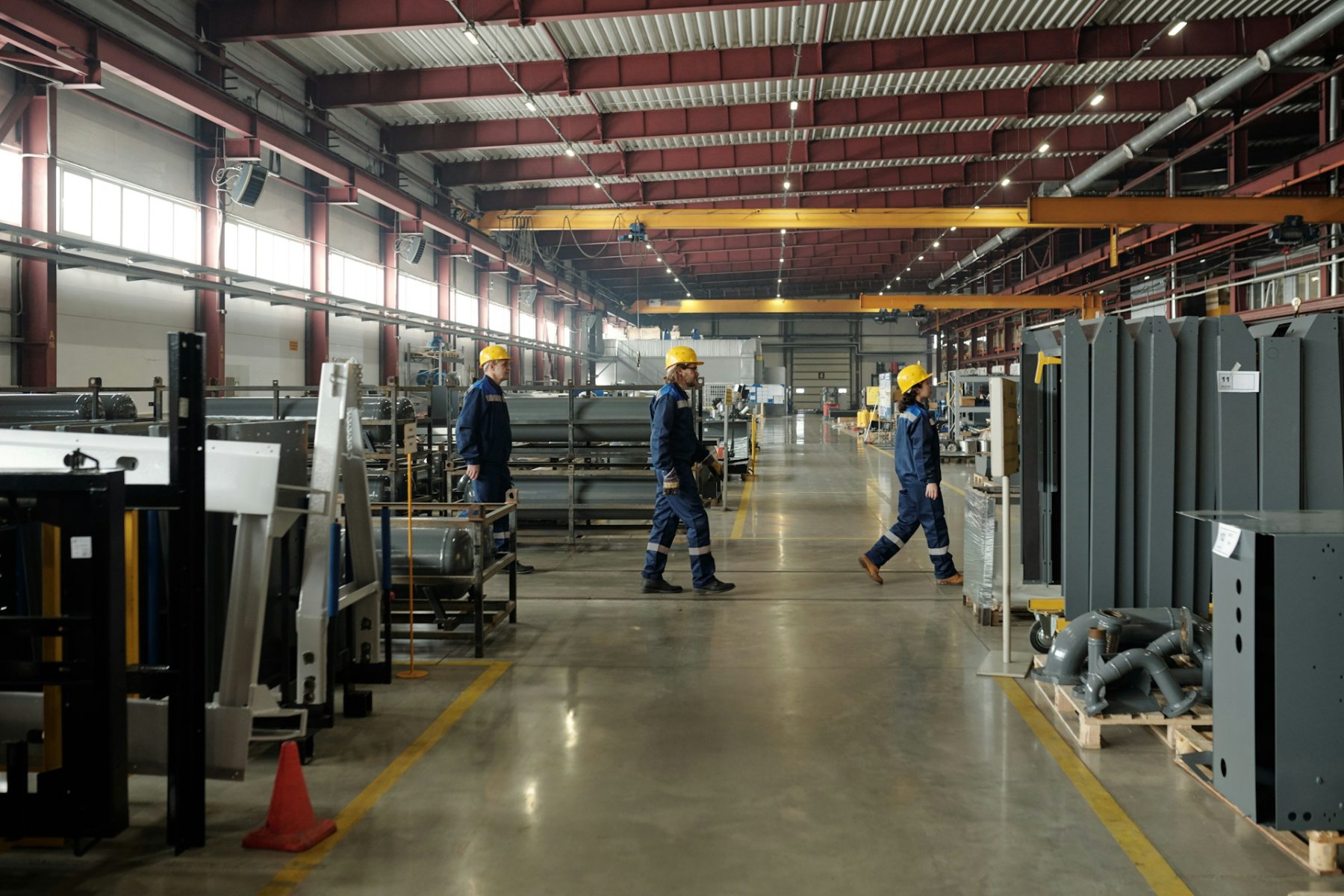
The clearest overlap between aging workforces and early robotics deployment is in manufacturing and material handling, where persistent vacancies and controlled environments could make automation commercially attractive. Manufacturing and utilities vacancies rose 19.2 per cent year over year in the second quarter. Agriculture faces pronounced demographic exposure, although current humanoid systems have not demonstrated readiness for farm work.
If humanoid robots become commercially viable, they will enter this complicated market rather than simply filling positions for which no workers exist. The question is where genuine recruitment pressure persists, where Canadians are competing for too few jobs, and whether automation relieves the first problem without worsening the second.
What the Forecasters See
Goldman Sachs has repeatedly raised its projections as estimated component costs have fallen. Its publicly available 2024 analysis projected a US$38 billion market and 1.4 million annual shipments by 2035. In August 2026, Investing.com reported that a newer Goldman note raised those estimates to US$138 billion and approximately 6.48 million units. Both are forecasts for a technology whose mass market viability remains unproven, with estimated manufacturing costs falling from a US$50,000 to US$250,000 range to a US$30,000 to US$150,000 range per unit. E commerce warehouses and automotive production lines are identified as the earliest targets.
Canada Is Already in the Game
What most people outside the industry don't realize is that Canada is home to a prominent physical AI developer. Sanctuary AI, based in Vancouver, has built Phoenix, now in its eighth generation. In a one week pilot at a Mark's store in Langley, B.C., Sanctuary AI reported that a robot completed 110 types of retail task, though the companies did not publish enough data to assess autonomy or commercial readiness.
Sanctuary AI has raised over $140 million, including $30 million from the federal Strategic Innovation Fund. Co founder Olivia Norton has said that "with aging populations, plummeting birth rates, and a changing view on work, intelligent embodied systems, or general purpose robots will play an important role in provincial and national productivity."
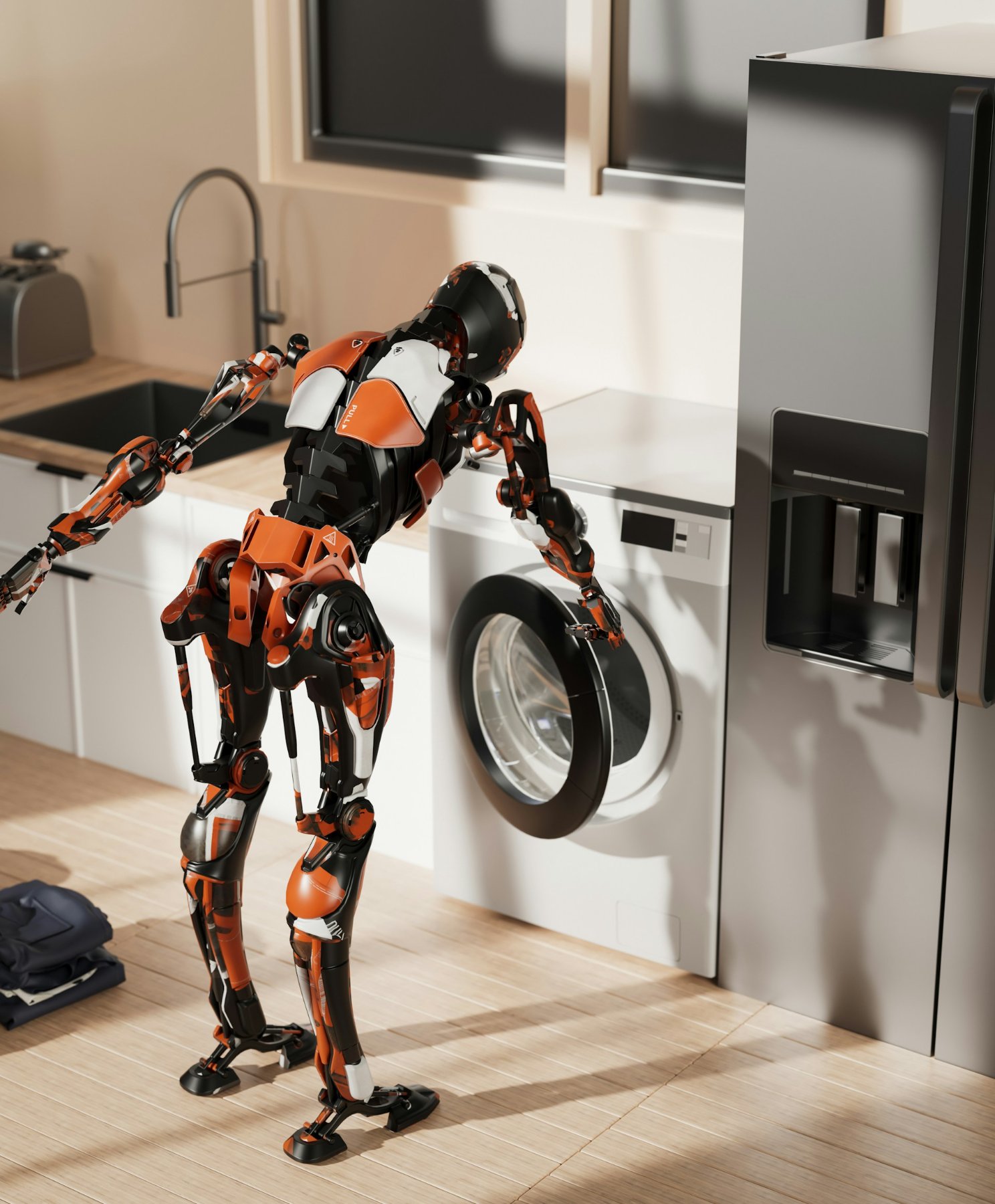
Sanctuary now describes itself as deploying hardware agnostic physical AI across commercially available robotic systems. That pivot suggests the commercial path for Canadian robotics may run through AI and software rather than competing with Tesla or Chinese manufacturers on hardware price.
Following a pilot involving three robots, Toyota Motor Manufacturing Canada signed a commercial Robots as a Service agreement covering seven Agility Robotics Digit units for its Woodstock plant. The deployment was scheduled to begin with three. Their task, loading and unloading totes from an automated tugger, is narrow, repetitive and structured. It is the kind of environment in which humanoid robots are expected to be tested first.
The Human Question
Fraunhofer Gesellschaft research on humanoid robots in the workplace, reported by the Canadian HR Reporter, found that 57 per cent of surveyed end users said employee acceptance problems would influence purchasing decisions. A third identified lack of worker acceptance as the biggest obstacle.
In occupations where recruitment is difficult and workforces are aging, automation addresses a real constraint. In occupations where unemployed Canadians compete for scarce openings, the same technology could suppress hiring further. Both dynamics will operate simultaneously.
These deployments do not prove that general purpose humanoids are commercially ready. They show that manufacturers are willing to test them on bounded tasks where conventional automation is less flexible.
If Canada positions its robotics ecosystem (Sanctuary AI's software capabilities, federal investment, regulatory frameworks built before deployment rather than after, retraining tied to specific automation timelines) it enters the humanoid era as a producer of the technology, not only a consumer. If it waits for Tesla and Chinese competitors to set the terms, it imports the hardware and absorbs the disruption without capturing the value.
Canada cannot control whether humanoid robots achieve commercial scale globally. It can decide how the technology is tested and regulated here, how affected workers are consulted and retrained, and whether Canadian companies capture part of the value chain.