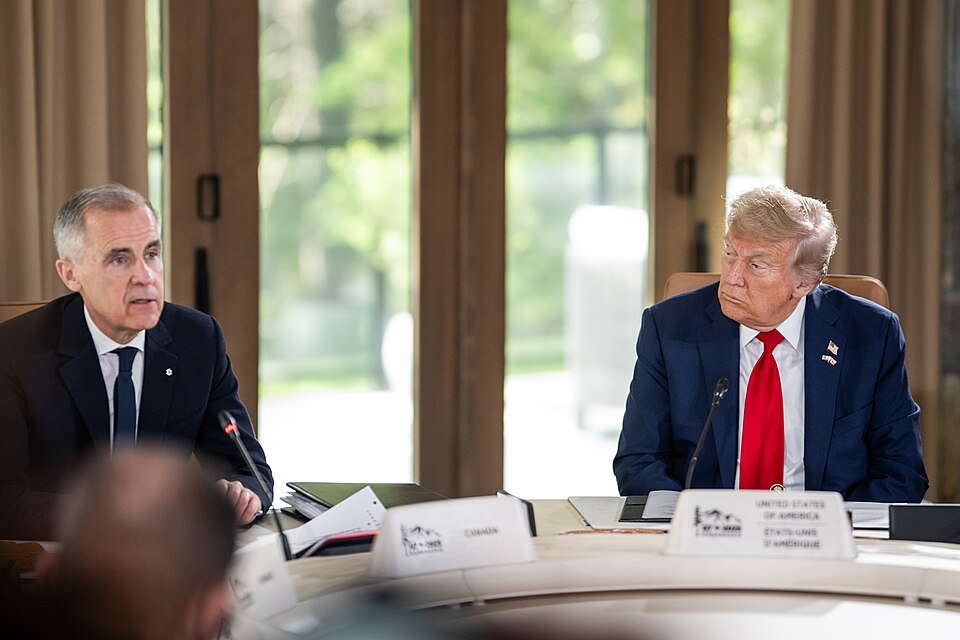
A 28 word Truth Social post with no mechanism, no timeline and no enforcement plan just opened a new front in the trade war. The target is the currency in your pocket.
Most Canadians don't check the exchange rate until they have to. They check it when they book a flight to New York and the hotel costs a third more than expected. They check it when their Shopify subscription renews in U.S. dollars. They check it at the pharmacy counter, where imported drugs quietly cost more than they did two years ago. On Saturday, Donald Trump gave 40 million Canadians a reason to check it again.
"Canada's (currency) Dollar imbalance with the U.S. is unacceptable," Trump wrote on Truth Social on September 6. "It has been that way for years but no longer!"
He did not elaborate. He offered no policy mechanism, no target rate, no timeline, no enforcement strategy. The post was 28 words. It landed in a trade war that has already reshaped the economics of daily Canadian life.
What the Numbers Actually Say
One U.S. dollar currently buys 1.384 Canadian dollars. One Canadian dollar is worth roughly 72 American cents. The loonie has weakened only 0.75 per cent since January, a modest decline by historical standards. It last traded at parity with the U.S. dollar in early 2013.
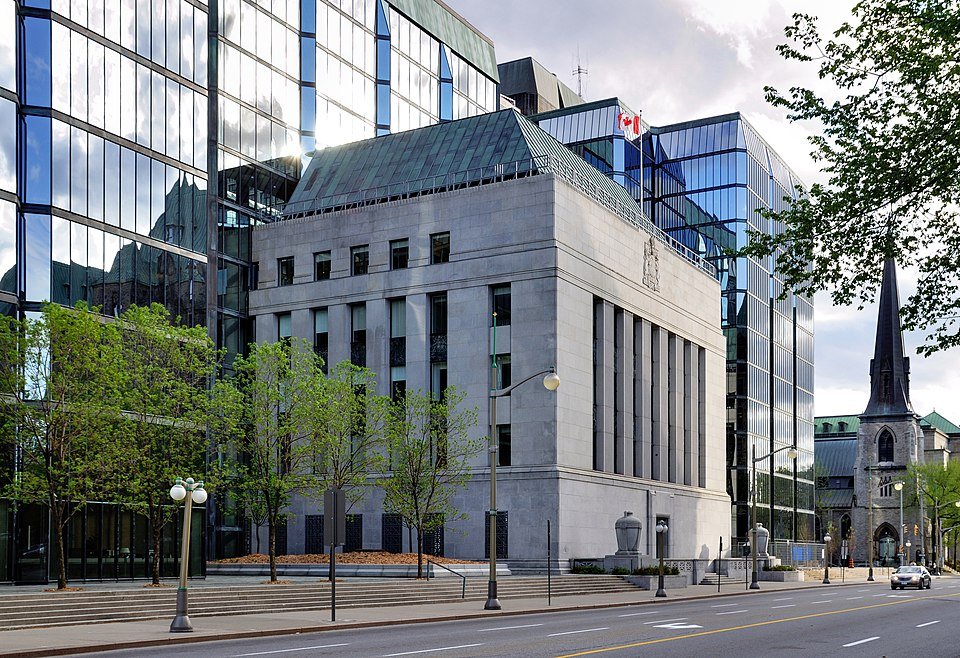
For the Canadian dollar to reach parity today, it would need to appreciate 38.4 per cent. That is not a policy adjustment. That is a structural transformation of the Canadian economy, one that the Bank of Canada, which last intervened directly in currency markets in September 1998, has no mandate or mechanism to deliver on command.
The gap between the two currencies reflects fundamentals: differences in interest rates, commodity prices, productivity, capital flows and trade balances. Canada's economy grew at 3.3 per cent in the second quarter. Unemployment sits at 6.4 per cent. The Bank of Canada held its overnight rate at 2.25 per cent on September 2, its seventh consecutive hold, citing strong growth but warning that tariffs and elevated energy prices risk pushing inflation above the two per cent target. The consumer price index hovers near three per cent.
None of these conditions suggest a currency in crisis. They suggest a currency doing roughly what floating currencies do.
The Tariff Backdrop
Trump's post did not arrive in isolation. It arrived two weeks after the United States imposed 50 per cent tariffs on approximately $20 billion in Canadian exports, effective August 22. The targeted goods include hockey sticks, wine, cement, agricultural products, clothing, jewellery, furniture and fabric. Some products previously protected under the U.S. Mexico Canada Agreement are now subject to these levies. Trade negotiations broke down the day before.
Canada's retaliatory package, C$27.6 billion covering steel, dairy, appliances, farm equipment, paper and electronics, takes effect on September 8. Prime Minister Mark Carney has pledged dollar for dollar matching. No further talks are scheduled.
If you have bought American groceries, booked a U.S. flight, or filled a prescription with an imported drug this year, you have already felt what 72 cents buys. Multiple economic estimates place the additional cost to the average Canadian household at $1,500 to $2,500 per year in tariff driven price increases. Statistics Canada import data shows fresh produce from the United States has risen 8 to 15 per cent. Industry tracking indicates new vehicle prices are running 6 to 12 per cent above their pre tariff trajectory. According to Statistics Canada, Canadian businesses import roughly 55 per cent of their machinery and equipment, and those costs flow downstream into prices that Canadian consumers eventually pay.
What Trump Is Actually Saying
When I think about what Trump's post actually demands, the economics clarify the politics. Trump is not making an argument about currency manipulation. Canada operates a floating exchange rate. The Bank of Canada targets inflation, not the dollar. No credible economist has accused Canada of artificially suppressing its currency.
What Trump is doing is signalling that the exchange rate itself, the natural outcome of two economies with different structures, different monetary policies and different resource profiles, is unacceptable to the United States. That framing treats a market outcome as a trade grievance. It is the logic of tariffs applied to arithmetic.
The implicit demand is that Canada should somehow close a 38 per cent currency gap that reflects structural economic differences Washington has no intention of addressing on its own side. The post contains no mechanism because there is no mechanism. It is a negotiating pressure applied through social media to a country already absorbing 50 per cent tariffs and bracing for more.
What Canada Can and Cannot Control

Anyone who crossed the border to shop in Buffalo or Bellingham a decade ago remembers what parity felt like. A Canadian dollar worth an American dollar meant cheaper electronics, cheaper gas, cheaper everything south of the border. It also meant Canadian manufacturers lost competitiveness, cross border tourism into Canada dropped, and exporters struggled to sell goods priced in a currency that had outrun the economy's productivity.
Parity is not a gift. It is a condition with winners and losers, and Canada experienced both during the commodity driven dollar surge of 2007 to 2013. The loonie reached $1.10 U.S. in November 2007 before commodity prices collapsed and the dollar returned to its long run range.
Canada does not control the exchange rate. It does control its fiscal discipline, its trade diversification strategy, its counter tariff posture and its willingness to absorb short term economic pain for long term negotiating leverage. Those are the variables that matter.
If Canada's counter tariffs hold firm and trade diversification accelerates beyond the roughly 72 per cent of exports currently destined for the United States, the country enters the next round of negotiations with leverage independent of Washington's approval. If the trade war deepens and tariffs escalate further, the loonie weakens, household costs climb beyond the current $2,500 ceiling, and the pressure to settle on American terms intensifies.
Trump posted 28 words on a Saturday afternoon. Canada's response cannot be measured in words. It will be measured in the trade numbers, the inflation data and the negotiating position that follow.