The city was incorporated in 1834 on the site of the earlier colonial town of York, and its growth has always been immigration-driven. Postwar arrivals from Italy, Portugal, the Caribbean, Hong Kong, South Asia and East Africa did not assimilate into one downtown culture — they built parallel commercial main streets, and those streets are still the most accurate map of the city.
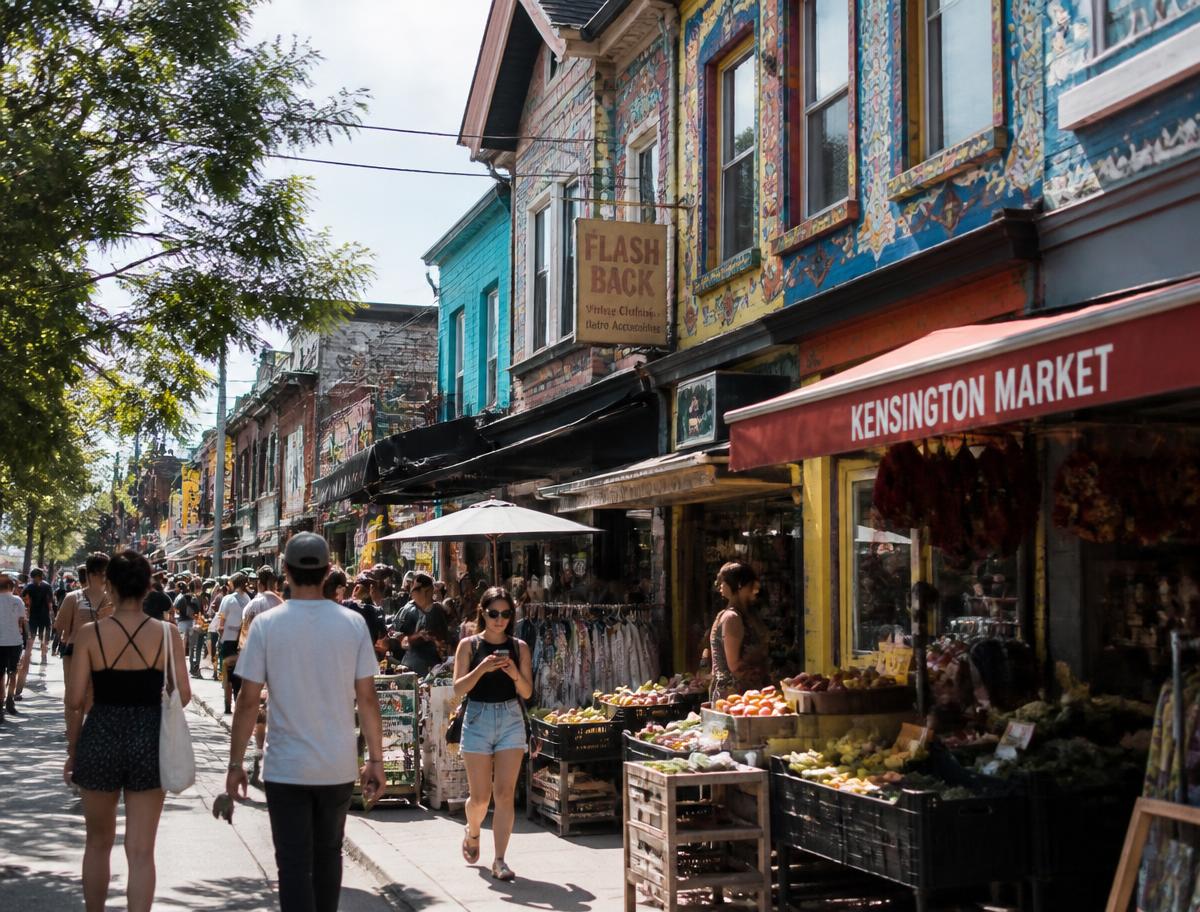
That is why Toronto reads differently from most North American cities: the interesting parts are dispersed. Little Jamaica along Eglinton West, the Vietnamese and Portuguese stretches of Dundas, the South Asian corridor on Gerrard East, and the Chinese malls of Scarborough are not day trips from the real city — they are the real city.
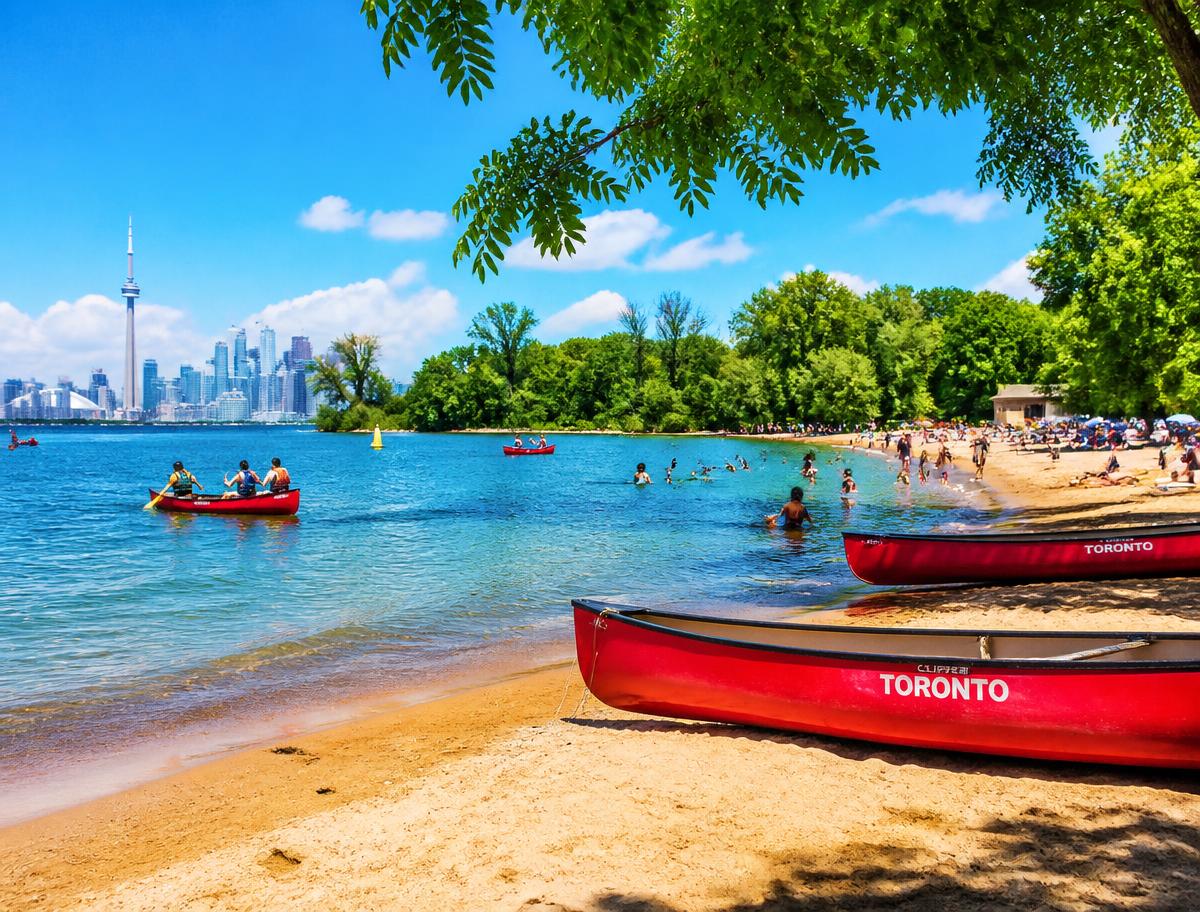
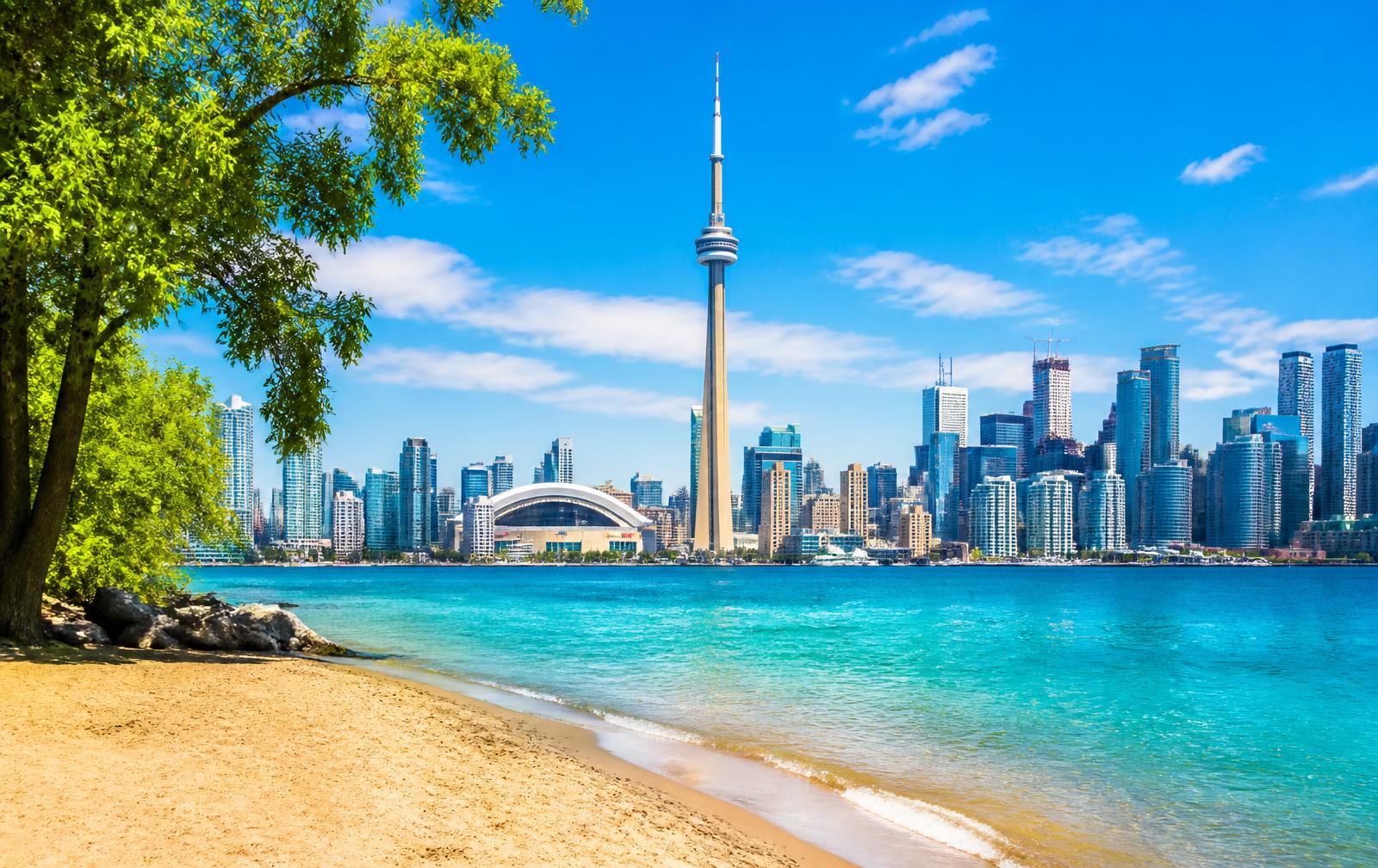
Downtown supplies the institutions: the Art Gallery of Ontario, the Royal Ontario Museum, the Toronto International Film Festival each September, and a live-music circuit that has never fully quieted. But the lake is the underrated asset. A fifteen-minute ferry reaches the Toronto Islands, where the beaches, boardwalks and car-free lanes make the skyline look like something you can step away from.